









Boiler pilot light keeps going out in Wisconsin

Describe your boiler job, and a local pro who handles it gets in touch.

Find my pro

A pilot light that keeps going out usually means the thermocouple is worn and no longer sensing the flame, so the gas valve shuts the pilot off as a safety measure. It can also mean a draft in the room or a dirty pilot tube is smothering the flame itself. Either way, the boiler is protecting itself, not malfunctioning for no reason. In Wisconsin, where most homes run on gas heat through the long winter, a boiler that won't hold a pilot is worth dealing with before the cold really sets in rather than relighting it over and over. Relighting it yourself a few times is fine, but if it keeps happening, that's a part wearing out, not bad luck. Left alone, it tends to get worse, not better, and you end up with no heat on the night you need it most.

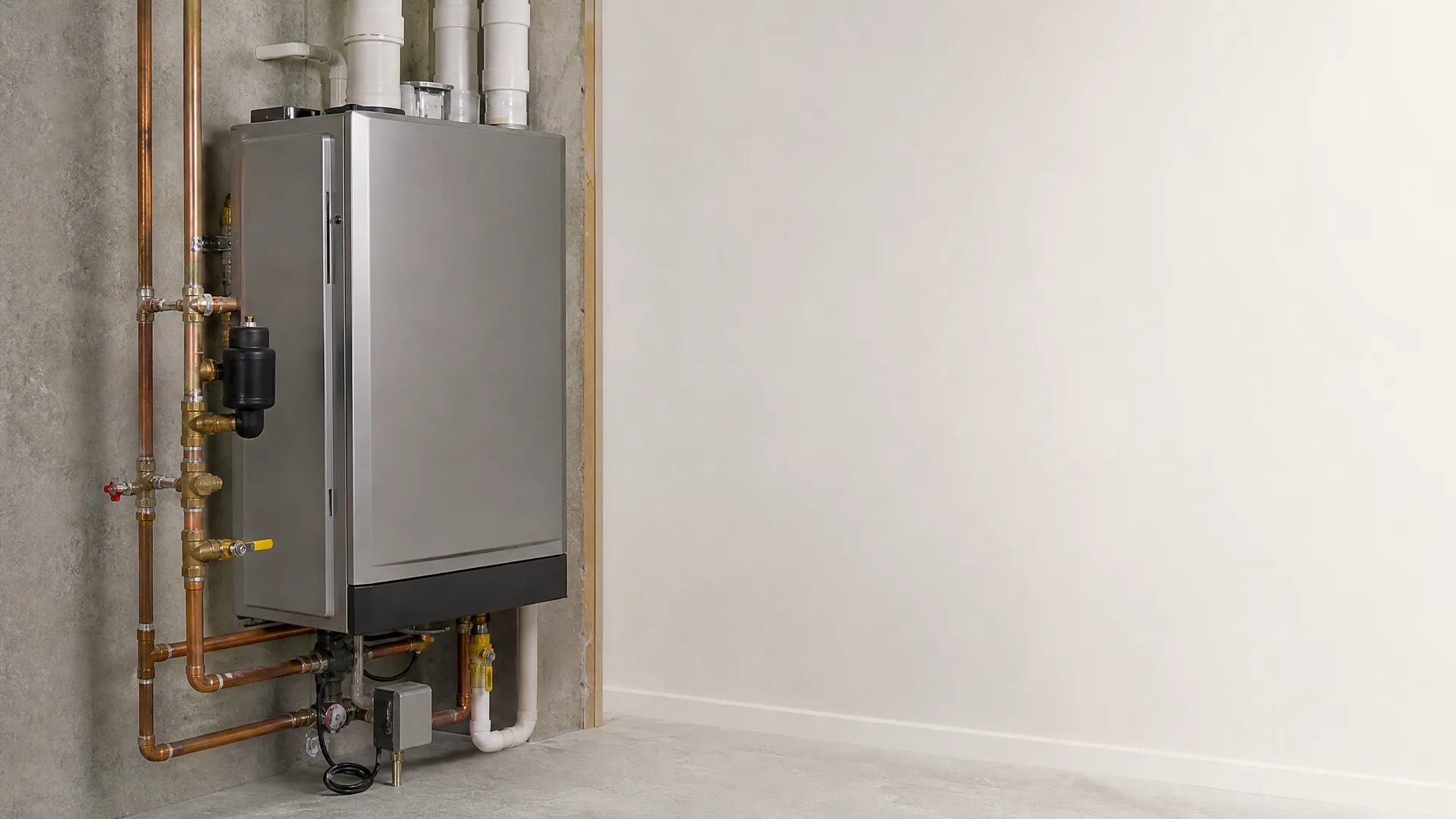
A wall-mounted grey boiler with copper pipework and white flue pipes installed against a concrete wall in an empty room with a plain pale wall to the right.

Why the valve shuts it down

The thermocouple is a small copper rod sitting right in the pilot flame. It makes a tiny electric signal that tells the gas valve the flame is lit. When the rod corrodes or sits out of position, that signal drops, and the valve reads it as no flame at all. It shuts the gas off on purpose. That's the safety working as designed, not a fault in the boiler itself.

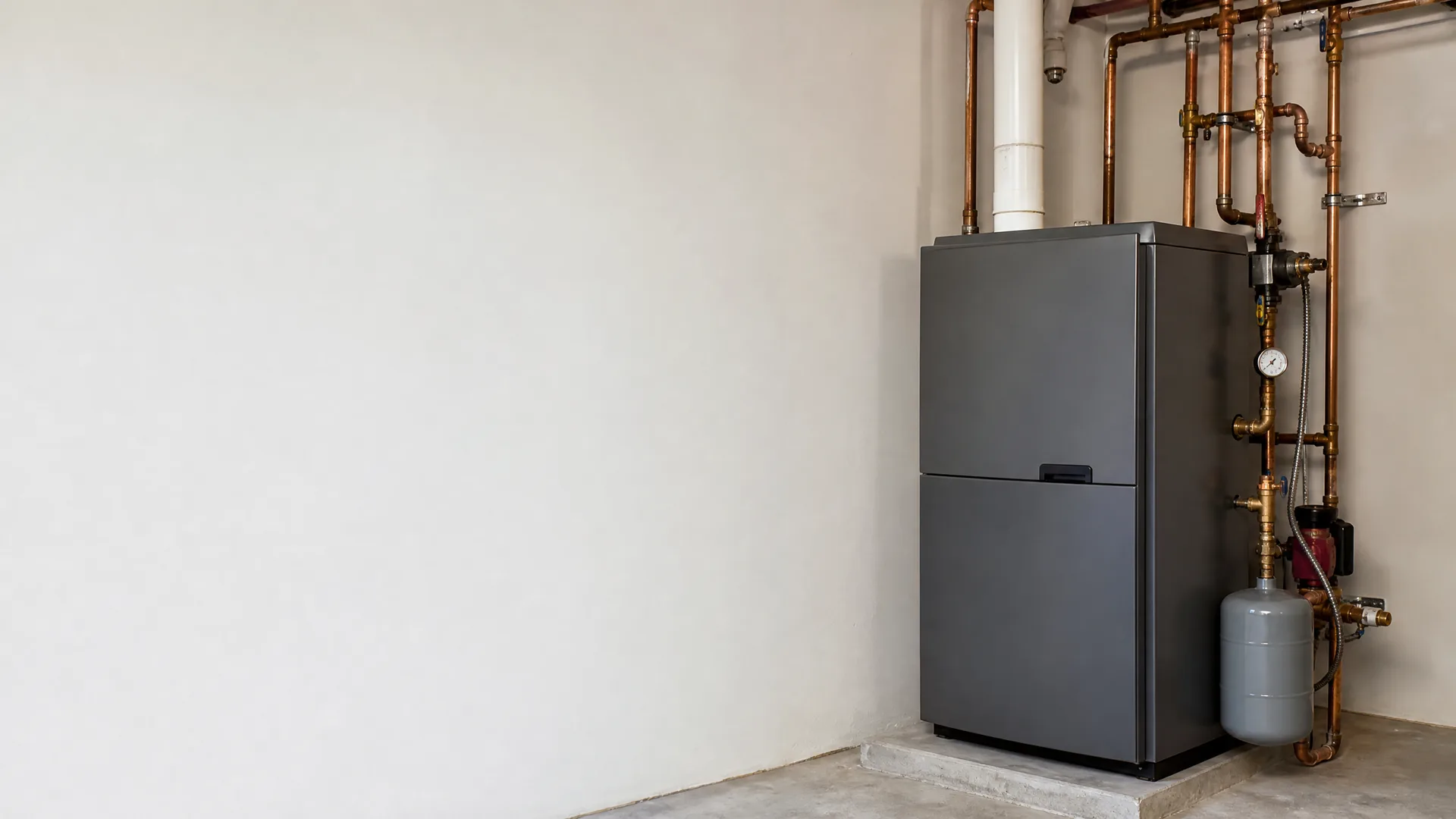
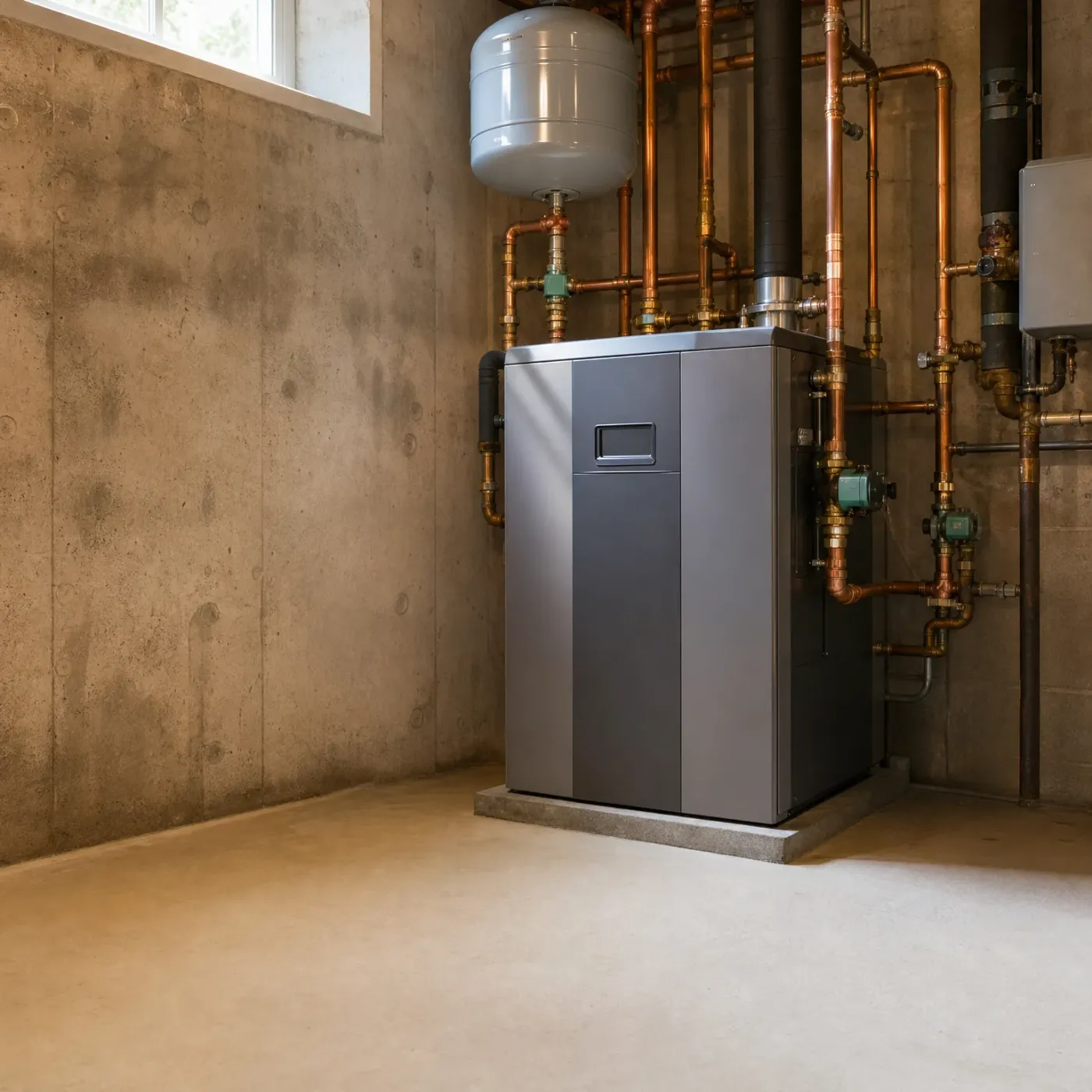
A dark grey boiler unit stands on a concrete pad against a plain light wall, connected to copper pipes, a pressure gauge, a pump and a grey expansion tank.

What a draft does to it

A pilot flame that's thinning out or leaning to one side is being pushed by air it shouldn't feel. A door closing down the hall, a cold air return nearby, even a loose jacket panel on the boiler can move enough air to pull the flame off the thermocouple. Once the flame leaves the rod, the rod cools, and the valve cuts the gas within seconds. No gas smell, no warning. It just goes dark.

A man in a dark blue shirt stands in an open front doorway of a stucco and wood-clad house, facing a blond woman seen from behind in the foreground on a stone walkway.

A boiler that won't hold a pilot is a boiler that can't heat your house

When the pilot won't stay lit, the boiler can't fire, and in a Wisconsin January that shows up fast. Radiators stay cold. Baseboard heat never kicks on. If you're relighting it every day or two, that's not a quirk to live with, it's the thermocouple telling you it's done. Left alone, it just keeps failing at worse times, usually the coldest ones.

Tracking down whether it's the thermocouple, a draft, or a dirty pilot tube means getting a boiler tech out to look at the actual unit, not guessing from a forum post. Instead of calling around to find someone who works on your type of boiler and explaining the relighting problem over and over, you can get matched with a contractor suited to your situation, and they'll reach out to you directly.

Interior corner of a living room with a beige upholstered sofa and dark cushion in the foreground, a ceramic vase of leafy branches on a dark side table by a curtained window, a framed picture on the wall, and a wood-surround fireplace at right.
A woman in a gray turtleneck sweater stands by a window looking outside at snowy ground, with a dimly lit living room containing a sofa, shelves, lamp and a lit candle behind her.
A woman in a cream cable-knit turtleneck sweater stands in a warmly lit living room with a fireplace and shelves behind her, looking out a window toward snow-covered trees and a railed deck.
A woman in a cream knit turtleneck sweater stands by a window looking out at snow, with a lit fireplace, sofa and lamp in the room behind her.
A woman in a gray knit sweater sits by a window looking out at falling snow, with a dimly lit living room containing a sectional sofa, pillows, a lamp and houseplants behind her.

Can I just relight the pilot myself or do I need a repair?

Relighting a pilot is easy enough, and most people try it the first time a boiler goes cold. The instructions are right there on the panel. But if it goes out again in a day or two, you're looking at the same walk to the basement on repeat, and relighting it doesn't touch whatever is actually causing it to go out.

Relighting fixes the moment, not the cause

You can relight the pilot yourself, and it will probably catch. That tells you the burner and gas supply are fine. It doesn't tell you why the flame won't stay lit. If a worn thermocouple is behind it, the rod will keep failing to sense the flame no matter how many times you relight it, and you'll be back down there every few days all winter. A draft problem behaves the same way: light it, it holds for a while, then goes out again once the furnace kicks on or a door opens somewhere in the house. A repair tech checks the millivolt signal off the thermocouple, looks at where the pilot assembly sits, and replaces or adjusts whatever's actually failing. That's the part relighting can't do.

  1. Thermocouple sits in the pilot flame and heats up.

  2. Heat makes the thermocouple send a small electric signal.

  3. That signal tells the gas valve the pilot is lit.

  4. A weak or misaligned thermocouple lets the signal drop.

What are you noticing when the pilot won't hold?

You go down to check the boiler and the flame is out again, even though you just lit it yesterday. Maybe you hear the click of the igniter trying to catch and nothing holds, or you smell a faint trace of gas near the access panel before it clears. The room where the boiler sits might have a draft from a nearby door or vent that wasn't there last winter. If this keeps happening, the radiators or baseboards stay cold longer each time, and with Wisconsin winters that means rooms losing heat faster than your heating bill would suggest they should. Left alone too long, a boiler that keeps cutting its pilot can end up not firing at all when you need it most.

A bearded man in a plaid flannel shirt stands indoors looking out a frost-covered window, with a steaming dark blue mug on the wooden sill and snow-covered trees outside.
A smiling man in a dark blue T-shirt sits on a light gray sofa in a living room with a wooden shelf and window behind him, with a laptop edge visible in the foreground.
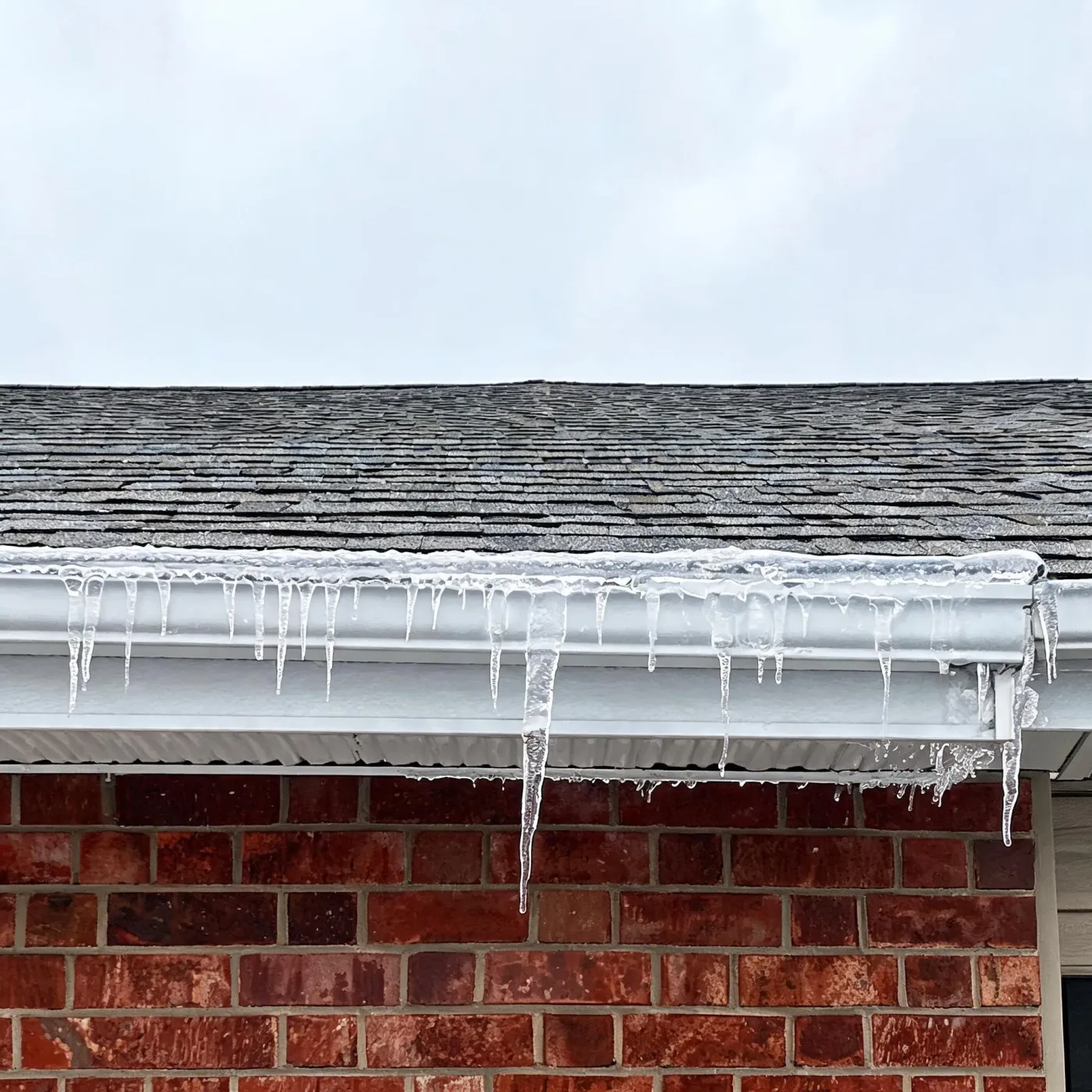
Icicles hanging from a white gutter and soffit below an asphalt-shingle roof on a red brick house, against an overcast sky.

Winter nights statewide average 13°F, according to NOAA climate data. That kind of cold means your boiler is firing for hours at a stretch, night after night, and a pilot that won't hold gets tested over and over instead of just once. A thermocouple riding the edge of failing is more likely to drop out on a long, cold run than on a mild one. If yours has been going out on and off, count on it going out more as the nights get colder, not less. Instead of climbing down to relight it every few hours, or spending an evening calling around for someone who can look at it, you can get matched with a contractor who handles boilers like yours and have them reach out to you directly.

NOAA nClimDiv 1991-2020 county normals weighted by homes

A boiler pro near you

Fill out one short form instead of calling around.

No charge to send it. You decide if you hire them.

A gray boiler unit on a concrete pad in a basement corner, connected to copper piping, circulator pumps, and a ceiling-mounted expansion tank against bare concrete walls.

Pilot holds, burner fires when it should

This is what you want to see: a steady flame at the pilot, the pumps and fittings behind it doing their job, nothing to check twice. Once a thermocouple is seated right, it just works through the cold months without a second thought.
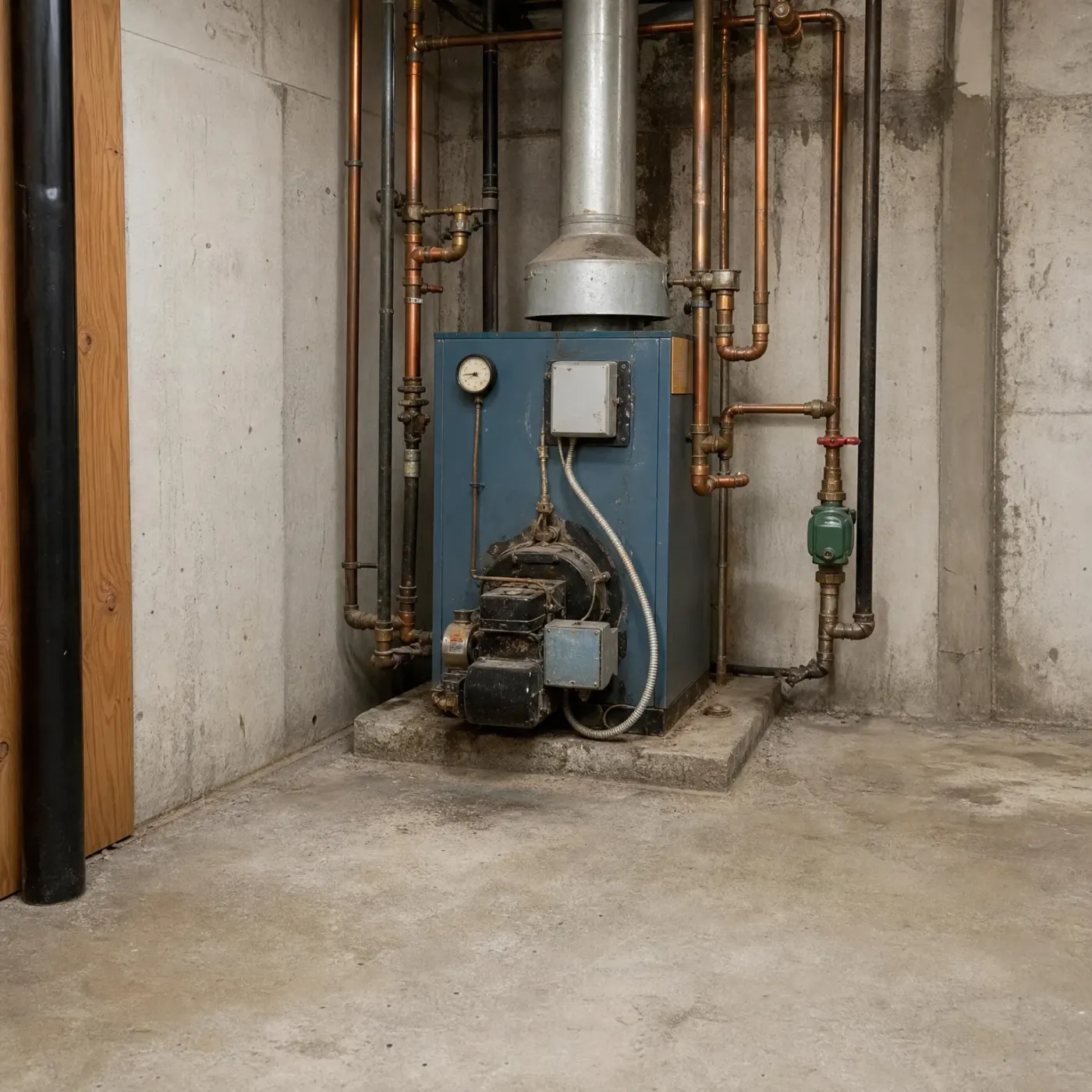
A blue oil-fired boiler with a pressure gauge, burner unit and metal flue sits on a concrete pad in a basement corner, surrounded by copper and black pipes against bare concrete walls.

Pilot drops, burner never gets the signal

This older unit shows the same gauge and burner assembly, but the pilot keeps dying before the thermocouple can tell the gas valve it's lit. The flue and pump are fine. The problem is that one small part not holding its signal.

Relight It or Get It Fixed

Relight it yourself

  • You can follow the instructions on the panel and get the flame going again in a few minutes without waiting on anyone.
  • It costs nothing and tells you right away whether the pilot will hold or go out again within a day or two.
  • If it only happens once, after a power blip or a drafty door left open, relighting it is the end of the problem.
  • You're still down in the basement checking on it every day, and that's the opposite of leaving a small problem alone.
  • Nothing about a worn thermocouple fixes itself, so the flame keeps going out on the same schedule no matter how many times you relight it.
  • A boiler that won't hold a pilot through a Wisconsin night at 13°F leaves radiators cold while you're asleep and not checking on it.

Get it repaired

  • A contractor can test the thermocouple's signal and tell you in one visit whether that's the part failing or something else, like a draft or a dirty pilot tube.
  • Once the part is replaced or reseated, the pilot holds on its own and you stop needing to go check it every morning.
  • You skip calling around, describing the same problem to three different companies, and sorting through quotes that may not even cover the right part.
  • Someone who knows the trade can rule out a cracked heat exchanger or a bad gas valve, which look the same as a worn thermocouple from where you're standing.
  • A repair now means you're not relighting a pilot by hand on the coldest nights of the year, when the boiler is firing for hours at a stretch.
  • Getting matched with a contractor who handles boilers specifically means you're not explaining your setup to someone who mostly works on furnaces.
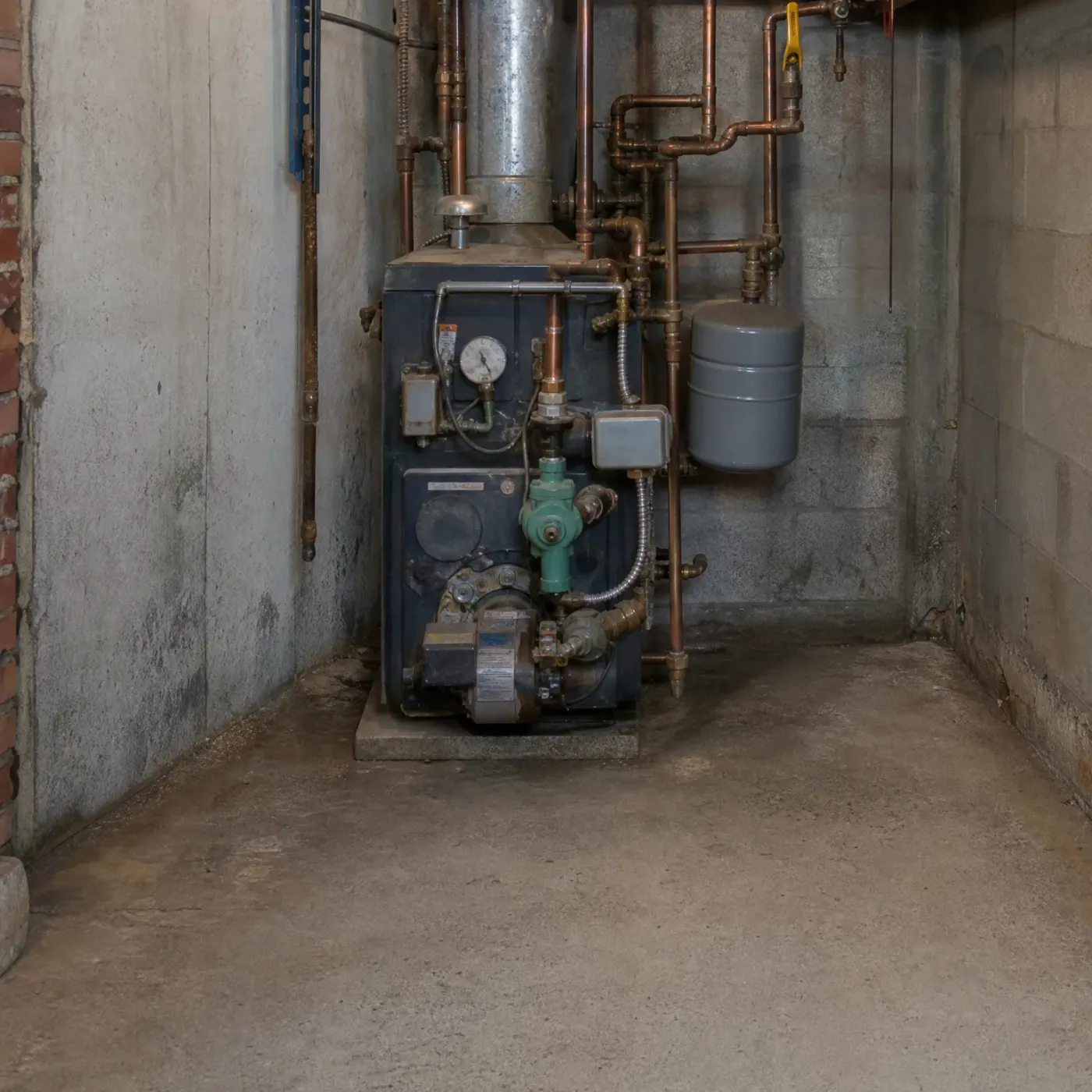
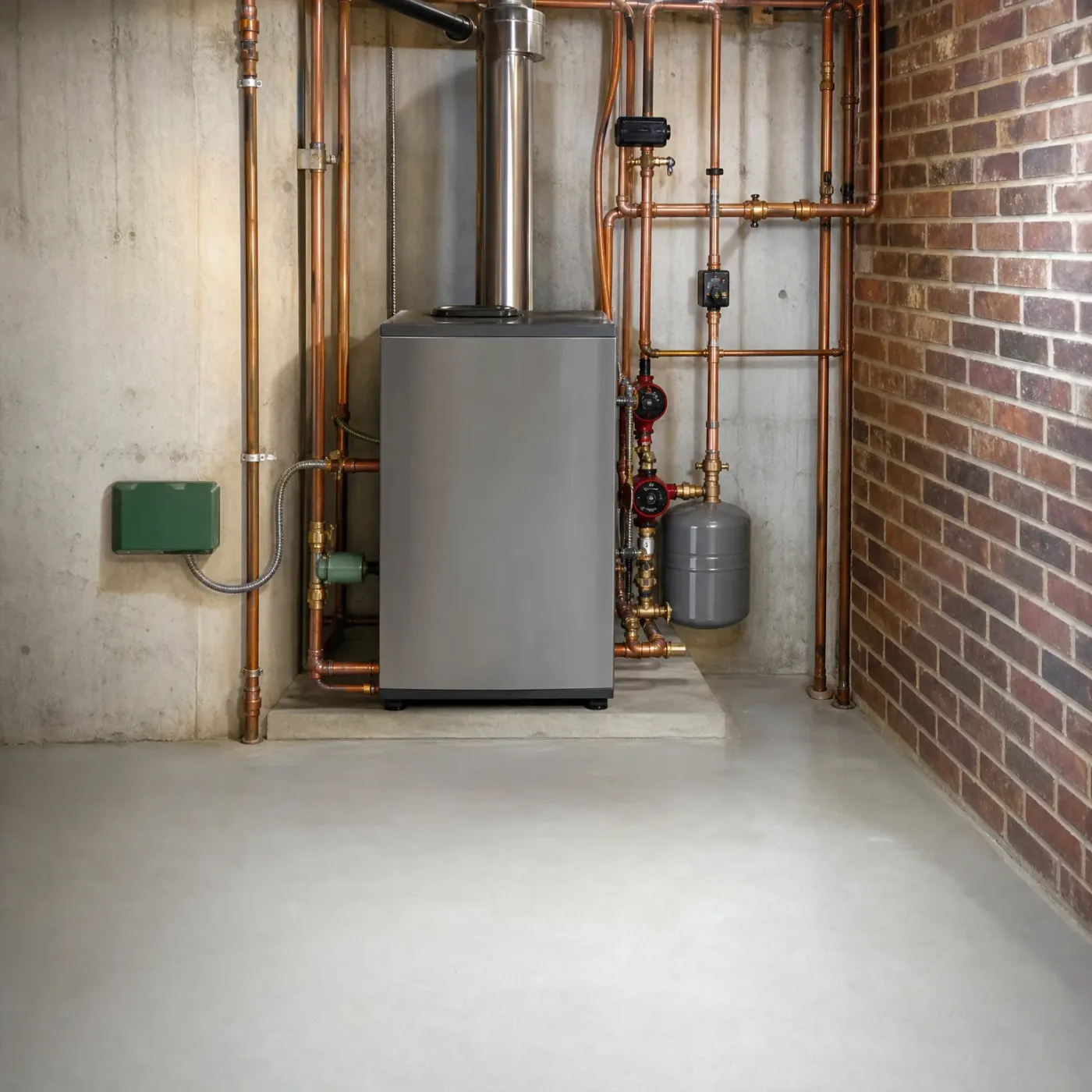
A gray boiler on a concrete pad in a basement, connected to copper piping, valves, pumps and a gray expansion tank, with a concrete wall on the left and a brick wall on the right.

Boiler running steady

This is a boiler doing what it should: pilot holding, pumps moving water through the copper lines, pressure sitting where it belongs. Nothing to relight, nothing to check twice. You walk past it on your way to the laundry and don't think about it.

A dark cast-iron boiler with copper piping, pressure gauge, and a gray expansion tank sits on a concrete pad in a basement corner with concrete block and brick walls.

Boiler losing the flame

This is the same kind of unit with a pilot that won't hold. The flue is venting but the burner underneath it isn't firing, because the gas valve shut the pilot off again. You're back down here with a lighter, and by tomorrow you might be down here again.

Winter nights average 13°F statewide

At 13°F, your boiler isn't cycling on and off a few times a night, it's running long stretches without a break. A thermocouple that's already weak gets asked to hold a flame for hours straight instead of minutes, so a pilot that's borderline in October can quit outright once nights settle into the teens.

NOAA nClimDiv 1991-2020 county normals weighted by homes

Where this leaves you

  • A thermocouple that won't hold a flame signal is the usual reason a pilot goes out again and again.
  • A draft near the boiler or a dirty pilot tube can smother the flame even when the thermocouple is fine.
  • Relighting it yourself tells you something useful: if it goes out again within a day or two, the part needs replacing.
  • A pilot that keeps failing in a Wisconsin winter means a boiler that isn't heating your house when it's firing for hours a night.
  • Sorting out whether it's the thermocouple, the draft, or something else in the valve isn't a guessing game you have to run alone.
  • Once the right part is seated and adjusted, the pilot holds through the cold months without another trip to the basement.

A pilot that won't hold almost always comes down to the thermocouple, a draft, or a dirty pilot tube, and relighting it once tells you which kind of problem you have. If it holds, you got lucky this time. If it goes out again within a day or two, something needs replacing, not relighting. That matters more in Wisconsin than it would somewhere mild, because a boiler that can't keep its pilot lit on a 13°F night isn't heating your house while you're down there fussing with the panel for the third time this week.

You don't have to figure out on your own whether it's the thermocouple, a draft from a window or vent near the unit, or buildup in the pilot tube. That's a judgment call that's easy to get wrong from the top of the basement stairs, and it's the kind of thing a licensed contractor sorts out in one visit instead of a few more nights of relighting and hoping. Once someone's looked at it, you're not left searching around for who does boiler repair in your area, calling a few places to see who answers, explaining the same thing about the pilot going out to each one, then sitting with quotes trying to compare them against each other.

Getting matched with a contractor who handles this kind of repair means one call does the work that would otherwise take several. The part gets replaced or adjusted, the pilot holds, and the boiler goes back to running the way it's supposed to through the rest of the season without another trip downstairs to relight it.

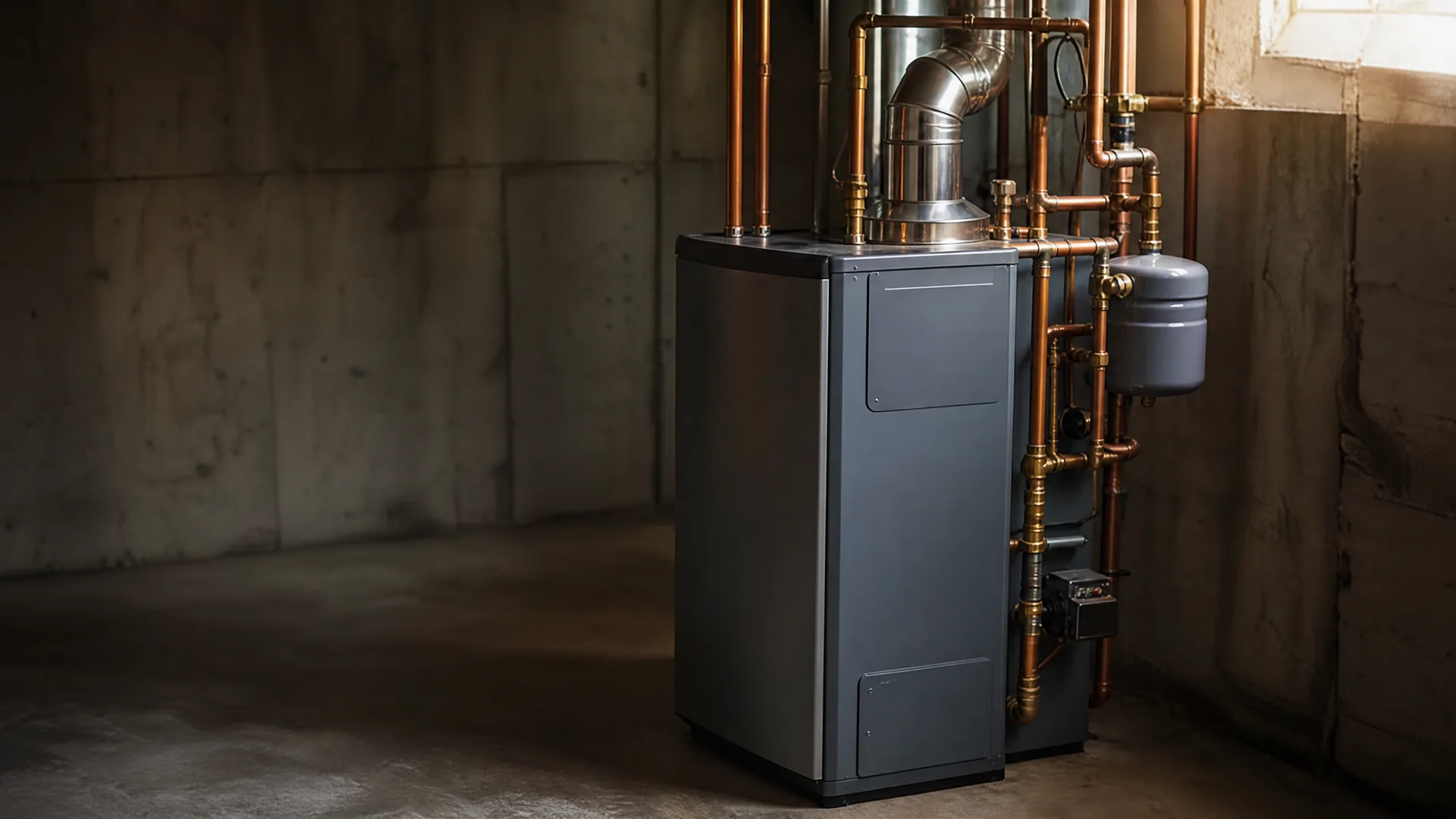
A gray boiler unit in a concrete-walled basement, connected to copper piping, a metal flue duct, and a wall-mounted expansion tank.

A local pro for your boiler repair

Step 1 of 3: Equipment