Tell us about the job
Takes about a minute. No obligation.
A contractor called out to repair a boiler in Crawford County is not walking into a system battered by relentless seasonal extremes. 71 severe weather events were recorded in Crawford County, Wisconsin between 2015 and 2024. At that rate, severe weather lands here, but it lands as an event, not a standing condition. What wears a boiler down in this area is overwhelmingly the slower work of years: heat exchanger fatigue, sediment buildup in the tank, a pressure relief valve that has never been tested. A contractor diagnosing a repair here checks those things first, because the weather record does not point to them the way it might elsewhere.
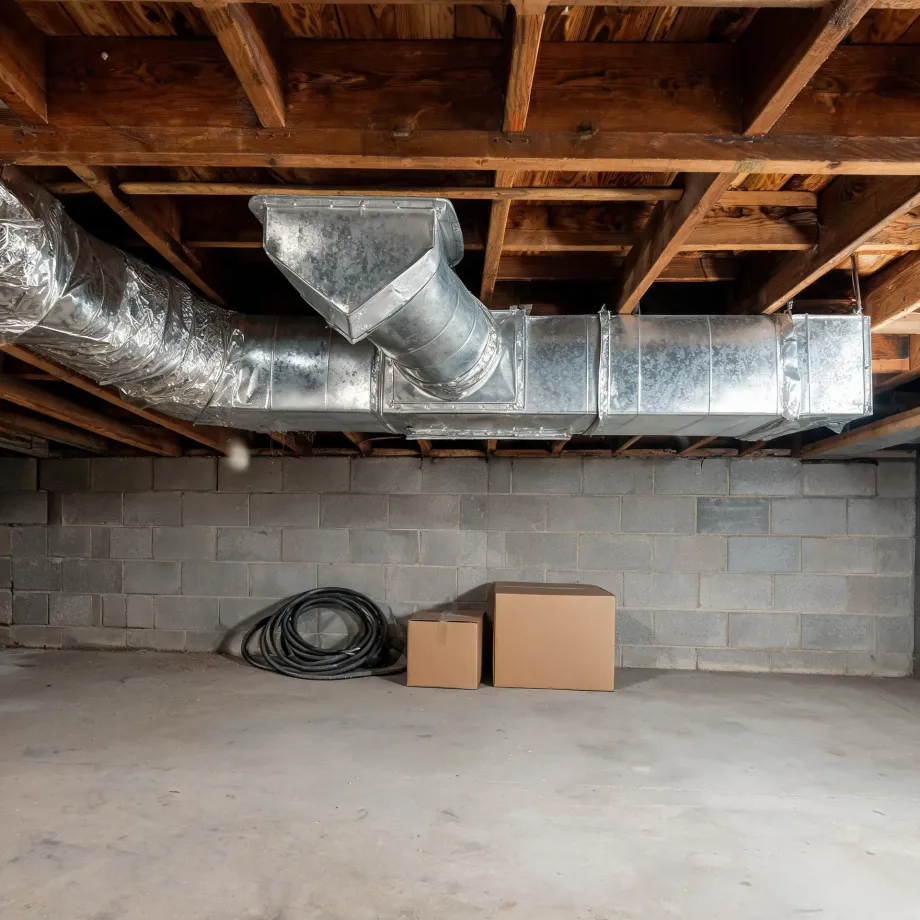
Boilers in this county's older homes have been running through Wisconsin winters long enough that what a technician finds once the unit is open tends to be specific and layered: sediment in the heat exchanger, zone valves that no longer seat cleanly, expansion tanks that have lost their charge. Half the homes in Crawford County, Wisconsin were built in 1978 or earlier (2020-2024 ACS 5-year). A house built around that era was typically plumbed with hydronic systems sized and fitted for equipment that has since been replaced at least once, meaning the piping and controls a contractor inherits were not designed for what is running through them now. That mismatch is where the repair scope gets decided.
The Parts of a Boiler a Contractor Checks First
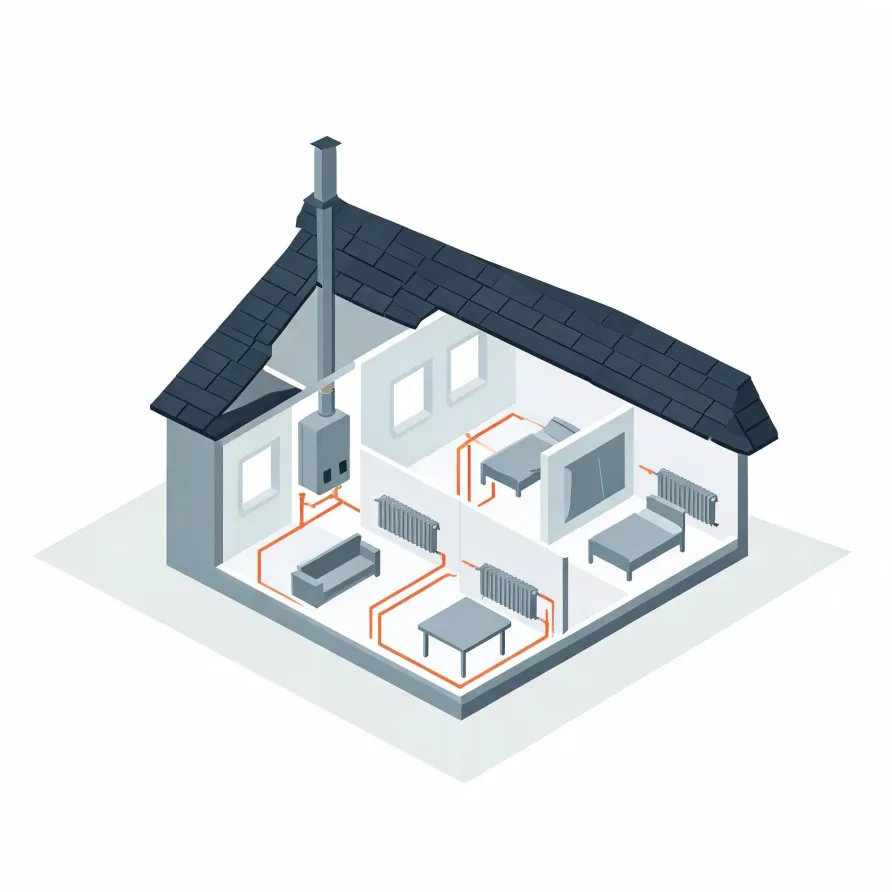
The boiler itself sits in the basement or utility room and is the piece a contractor starts with on any repair call. Inside it, the heat exchanger is where combustion gases transfer warmth to water, and a crack or buildup there is one of the more serious faults a contractor looks for. The burner assembly, which fires beneath or inside the heat exchanger, is another early stop.
From the boiler, pipes carry hot water to radiators or baseboard units in each room, and those distribution points are part of what a contractor traces when heat is uneven or absent in part of the house. The circulator pump moves water through those pipes, and the expansion tank absorbs pressure changes in the system. Both sit close to the boiler and both show up on a repair diagnosis.
The drawing shows a typical boiler layout, and a licensed contractor determines which components apply and what condition they are in for this specific home.
Get matched in Crawford CountyCrawford County, by the numbers
71 severe weather events were recorded in Crawford County, Wisconsin between 2015 and 2024.
NOAA National Centers for Environmental Information, Storm Events Database, bulk CSV export, events 2015-01-01 through 2024-12-31.Half the homes in Crawford County, Wisconsin were built in 1978 or earlier (2020-2024 ACS 5-year).
U.S. Census Bureau, 2020-2024 American Community Survey 5-Year EstimatesCrawford County, Wisconsin holds 8,765 housing units (2020-2024 ACS 5-year).
U.S. Census Bureau, 2020-2024 American Community Survey 5-Year EstimatesOwners occupy 77.2% of the occupied homes in Crawford County, Wisconsin (2020-2024 ACS 5-year).
U.S. Census Bureau, 2020-2024 American Community Survey 5-Year EstimatesBoiler & HVAC Repair Rules on Record for Crawford County, Wisconsin2 sourced standards and codes
Licensing and Legal Requirements in Crawford County, Wisconsin
A Wisconsin business that employs a certified HVAC qualifier is a certified HVAC business, and no city or county may require it to hold a local certification or licence on top of that.
Wisconsin requires a state HVAC contractor registration: no person or business may install or service heating, ventilating or air conditioning equipment, or offer to, without one.
Severe Weather Events in Crawford County
Boilers work hardest when outdoor conditions are at their worst, and the stress that weather puts on a heating system is not abstract. Crawford County's weather record shapes how much load local boilers carry and how often repair needs come up.
71 severe weather events, 2015–2024. Source: NOAA National Centers for Environmental Information, Storm Events Database.