
Running right
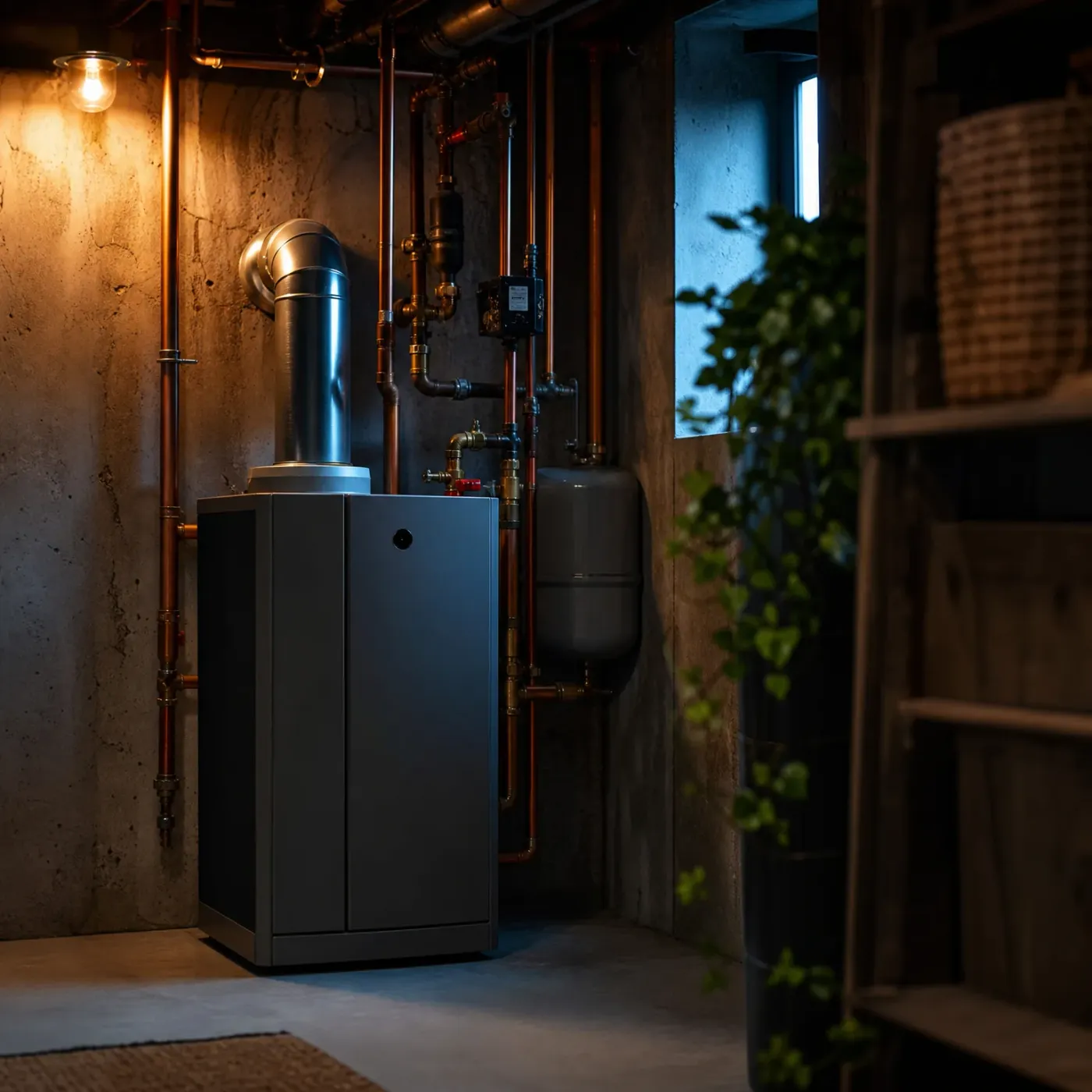
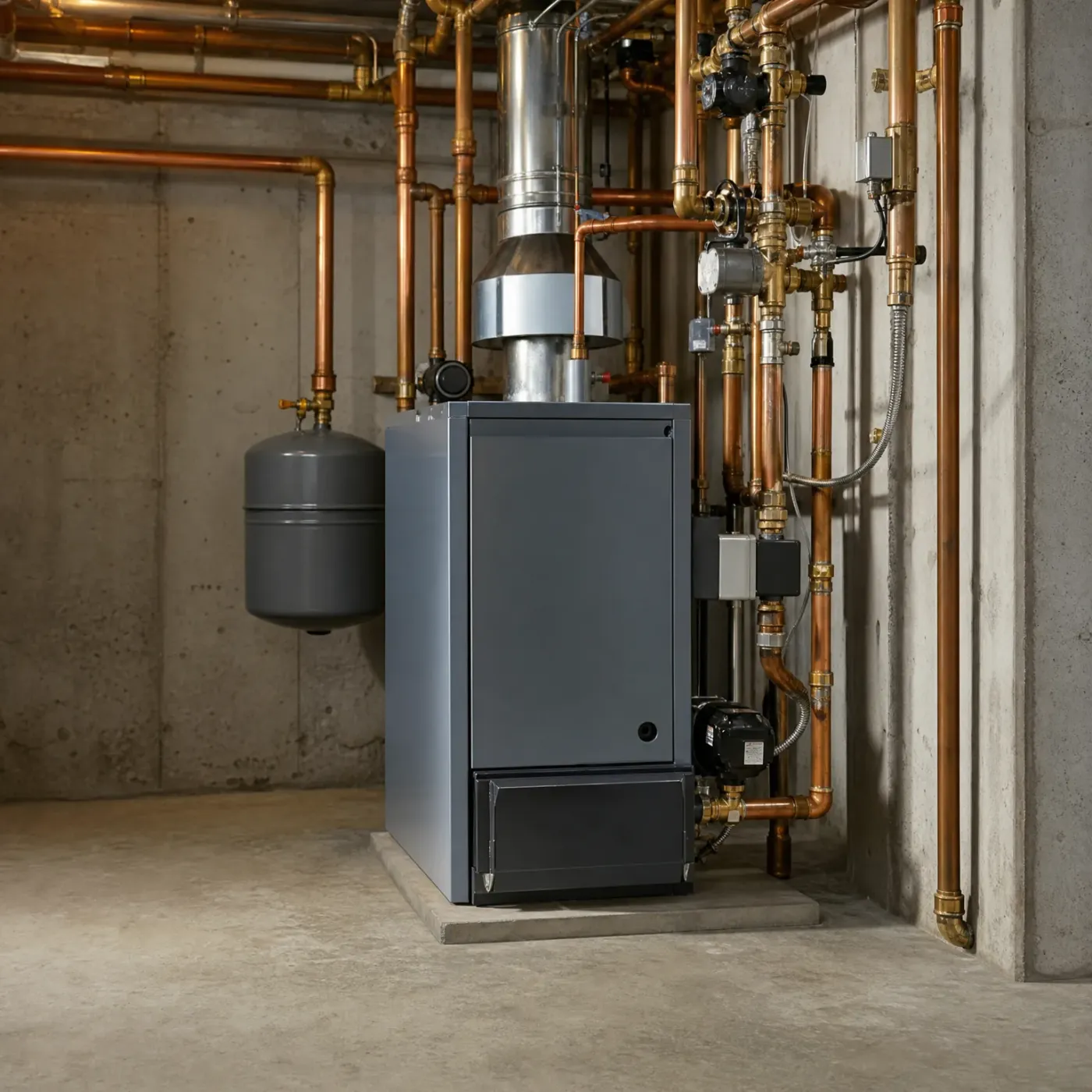
Pressure holds steady on the gauge, the pipes stay quiet, and every radiator in the house gets hot end to end. This is what a boiler looks like when nothing is trapped inside it and nothing has been skipped before winter.
Send one request and you're done looking
A radiator with a cold spot at the top usually means air is trapped inside, and bleeding it is a job you can check before the cold hits. Below is what to do before you run your boiler hard for the winter, and how to tell if something past the air needs a second look. If it does, sending the form here means you stop hunting for a contractor yourself.
Send my requestBefore cold weather sets in, go to each radiator, open the bleed valve with a key or screwdriver, and let the air hiss out until water runs steady. A radiator with a cold top and a warm bottom has air trapped above the water line, and that air stops the whole unit from heating evenly. It collects over the months the system sits idle through a Wisconsin summer, and by the time you need the heat running hard in December or January, every radiator in the house may need it. Bleeding them now, before the first real cold snap, means you find out which ones are stubborn while there's still time to call someone. If a valve won't open, or water won't stop running, or one radiator stays cold no matter what you do, that's past what bleeding fixes and worth having a boiler tech look at before you're depending on it every day.
Grab the key first and check the valve stem before you start, since a flat screwdriver works on some older units and a key won't turn them. Begin wherever the boiler sits lowest in the house and move up floor by floor, because trapped air rises as water gets pushed through the system. Keep a cloth under each valve. The hiss means air is escaping, and once it stops, water follows right behind it, so shut the valve as soon as the flow turns steady. Leaving it open past that point lets pressure drain out of the whole system, not just that one radiator. After every radiator is done, look at the boiler's pressure gauge and add water if it sits below the level the manufacturer marks as normal. If a radiator stays cold top to bottom even after bleeding, air probably isn't the problem. That points to a valve that's shut or a pipe that's blocked somewhere between the boiler and that room, which is worth having someone look at before the cold really sets in.




A radiator with trapped air does not just heat unevenly, it makes the whole system work against itself. The boiler fires, the pump pushes water through the loop, and the air pocket sits there blocking heat from doing its job in that one room. So the boiler runs longer to get the rest of the house to temperature, and gas and electric use climb for heat you are not even getting. With power costing what it does in Wisconsin, that waste shows up fast on a bill. Meanwhile the room with the cold radiator stays short of the thermostat setting, so the boiler keeps cycling, trying to satisfy a reading it can't reach. That cycling is hard on the pump and the valves, and it is louder than a system running clean, the kind of knock or gurgle you start to notice from the next room over. None of this fixes itself once the cold settles in for the season. A system left unbled in November is usually the same system someone is bleeding in January, except by then the boiler has been running flat out for weeks and the house has already gone cold once. Checking every radiator now, before the hard freezes, means finding out early whether this is a simple air problem or something in the system that needs a closer look, while there is still time to deal with it before the weather makes everything harder to fix.
Fill out one form instead of calling around for a boiler tune-up.
Asking costs nothing, and the choice to hire stays yours.
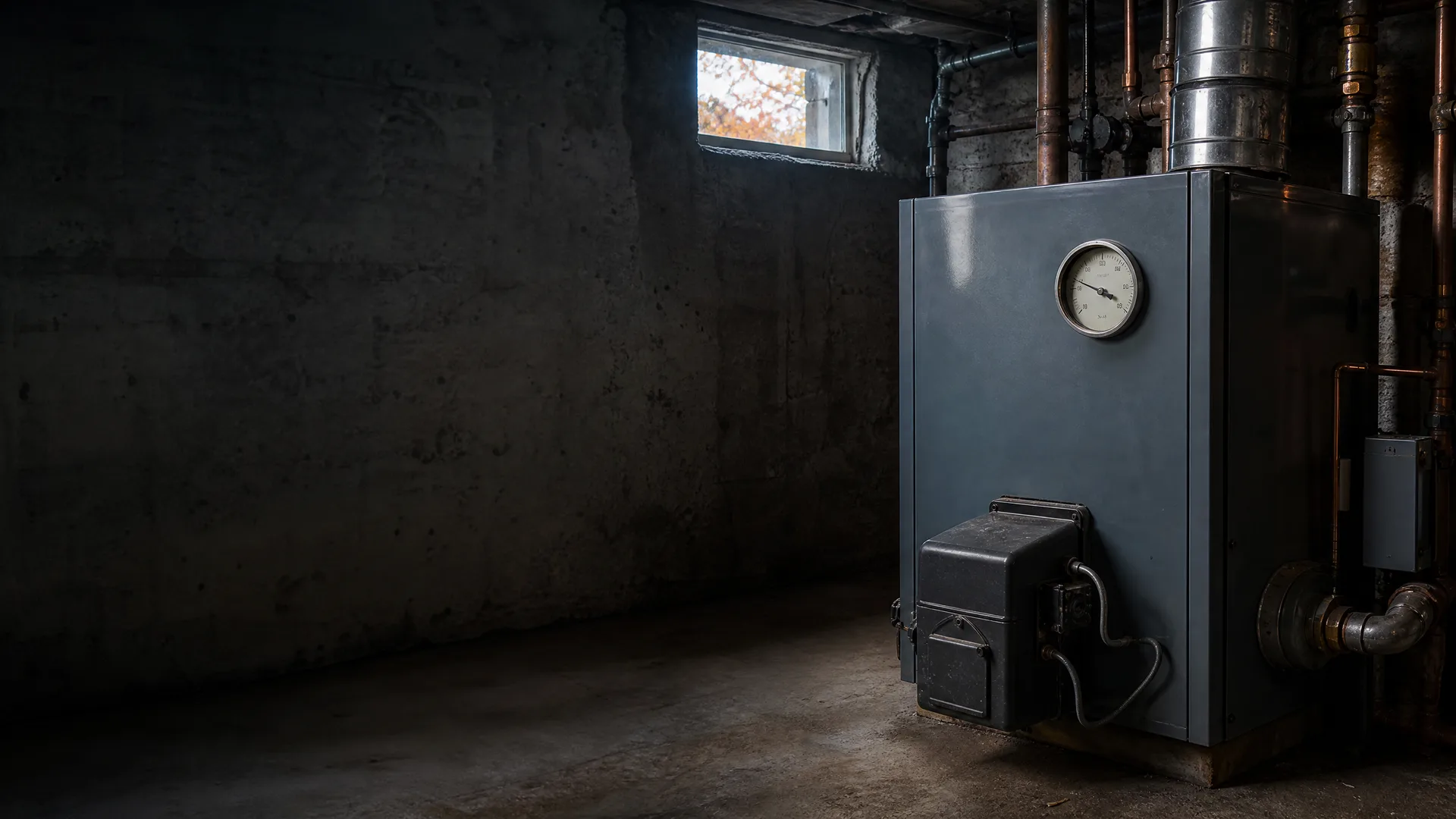
You're down in the basement on a gray October afternoon, the kind where the light through the small window is already thin by four o'clock. You crouch by the boiler and check the pressure gauge out of habit, the way you do every year about this time. The needle sits low, under where it should be. You tap the glass once, but it doesn't move. Upstairs you already noticed the bedroom radiator was warm on the bottom and cold on top, and now the two things line up in your head. The furnace room smells faintly of dust burning off the pipes, the first heat of the season. You straighten up, wipe your hands on your jeans, and go looking for the bleed key you know is somewhere in the junk drawer.
Walk the house on a cold morning and you'll find it fast. One radiator is hot at the bottom and cold at the top, and the room around it never quite gets there no matter where you set the thermostat. You might hear a gurgle or a knock in the pipe when the boiler kicks on. The boiler itself runs longer and cycles more often, because it's trying to heat that room through trapped air instead of water. Left alone through a Wisconsin winter, that's gas and electricity spent on a room that stays cold anyway, and a boiler working harder than it should every time it fires.
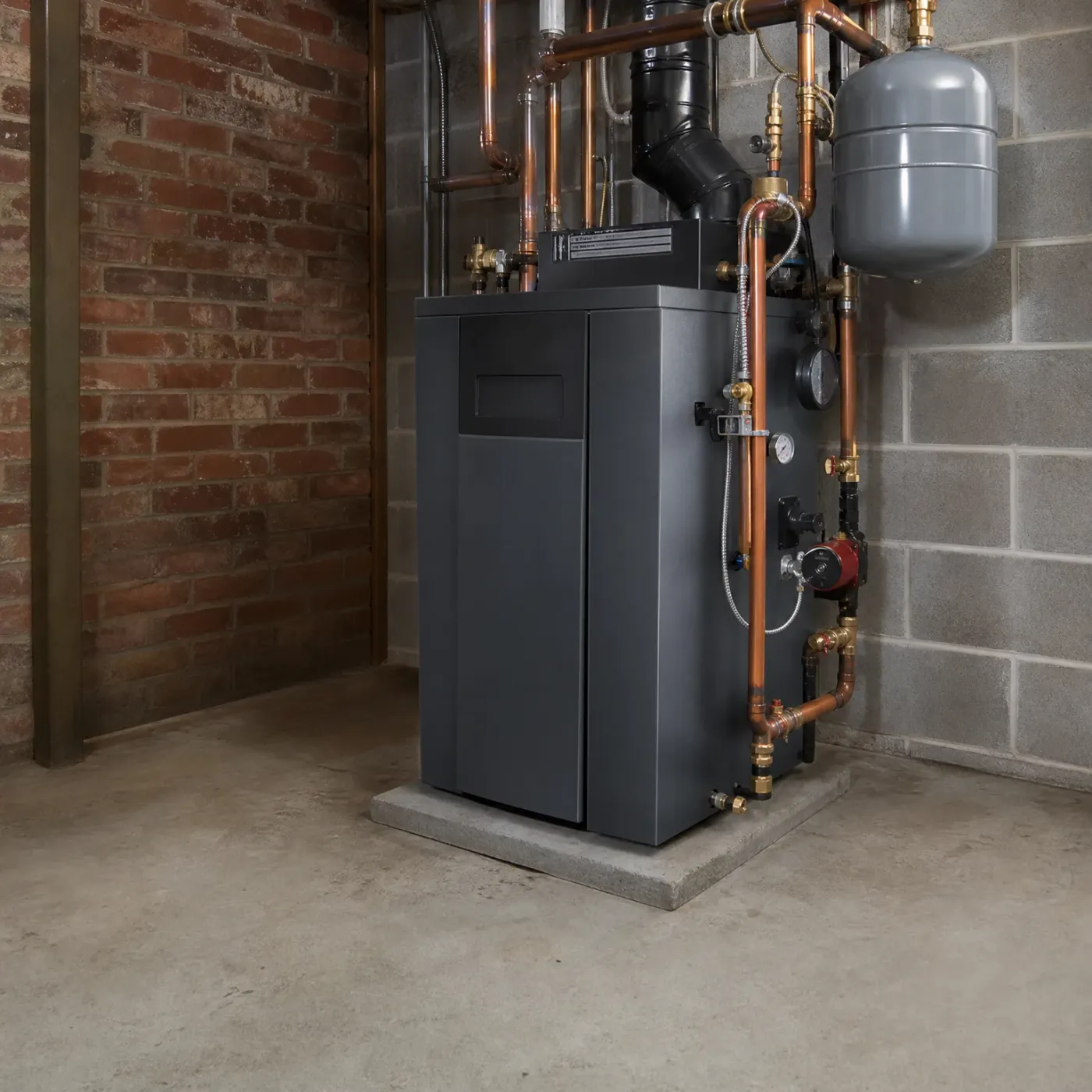
Pressure holds steady on the gauge, the pipes stay quiet, and every radiator in the house gets hot end to end. This is what a boiler looks like when nothing is trapped inside it and nothing has been skipped before winter.
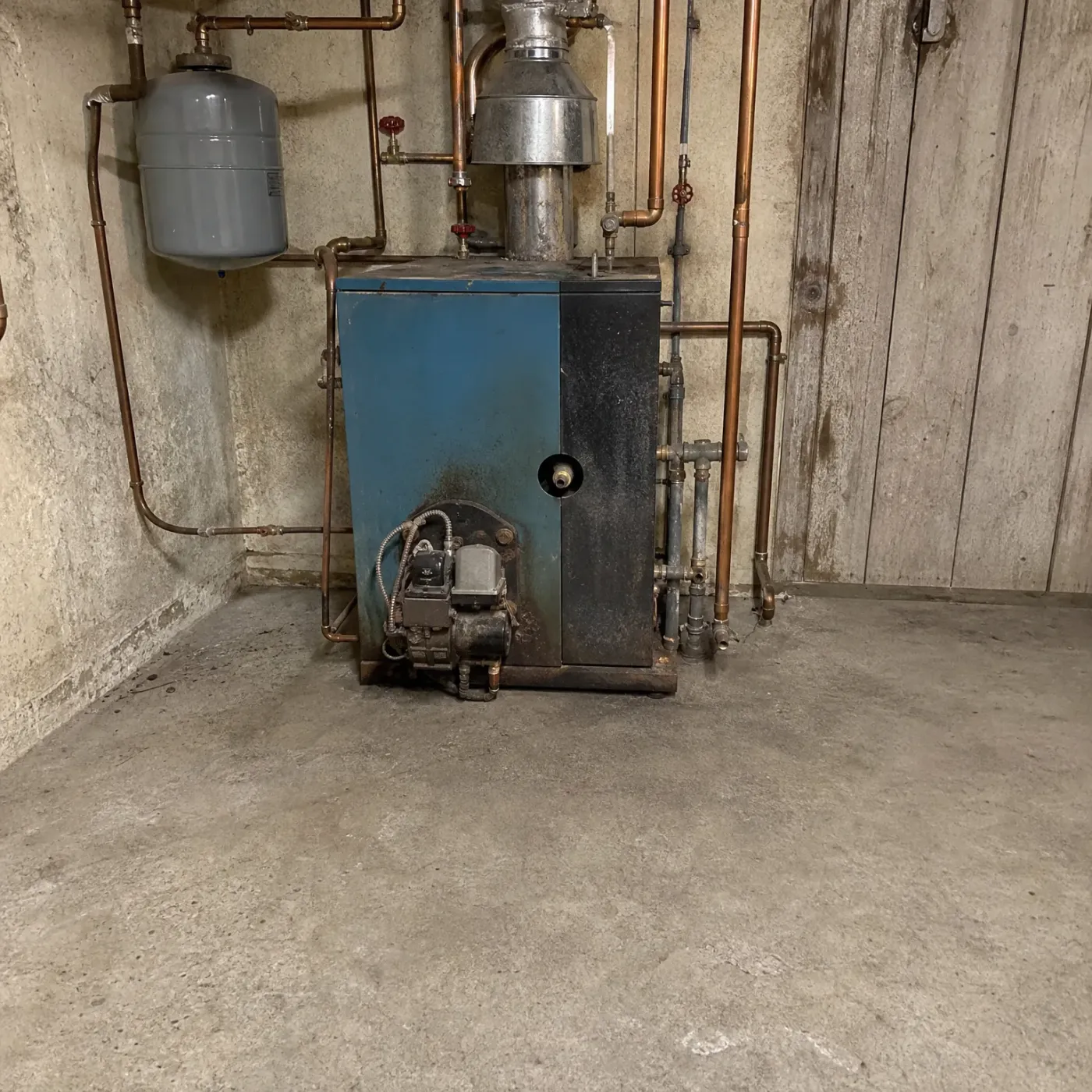
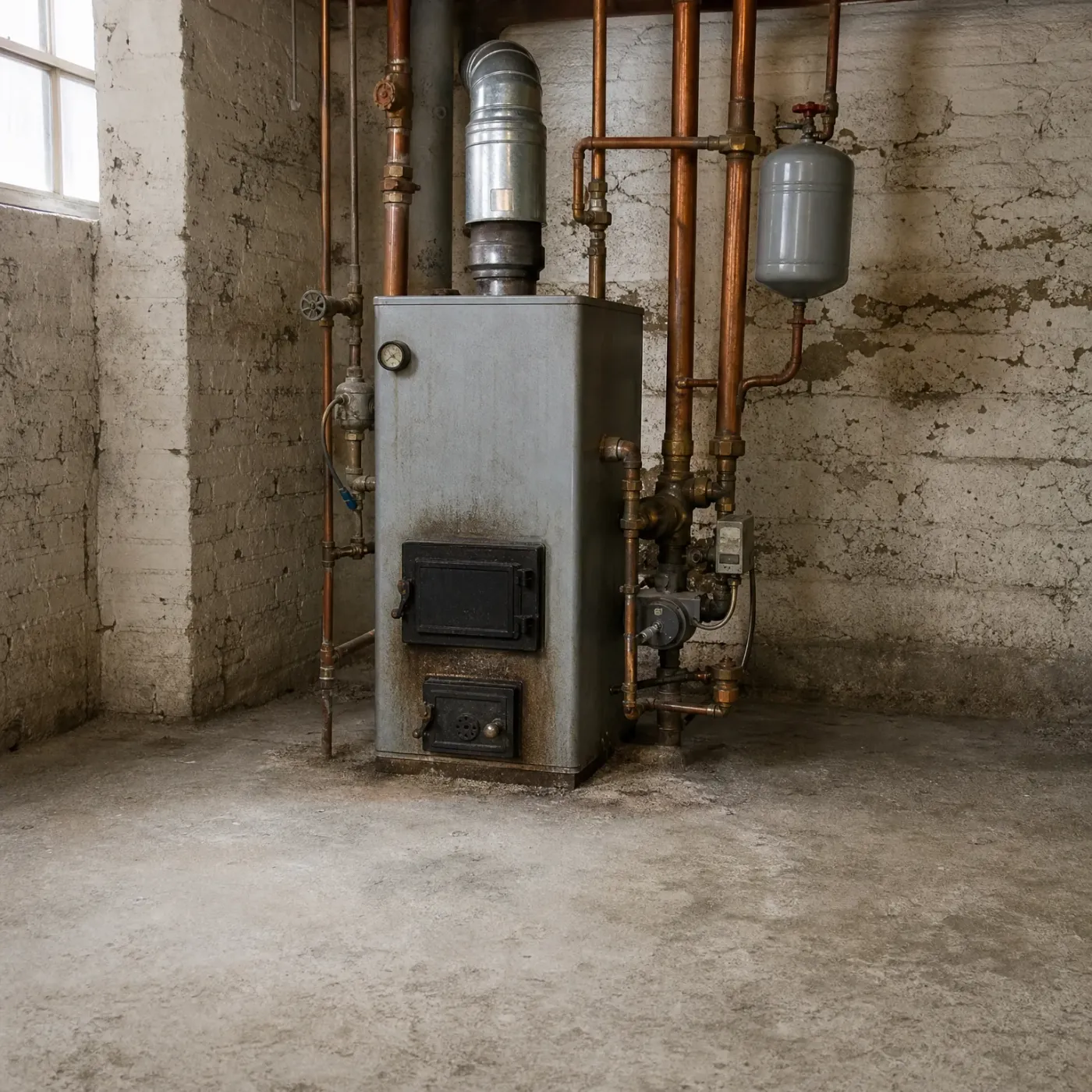
Corrosion builds where air has been sitting against metal for months, and old joints start to show it. A boiler left unchecked into winter is working against problems a bleed valve alone won't fix, and a tech should see it before the cold really sets in.
You've got more than one radiator in the house and you're not sure where to start. It seems like it should matter, since the boiler pushes water through the whole system, and getting the order wrong feels like it could mean doing the job twice. Before you head to the basement, it helps to know which floor to hit first.
Air rises, water doesn't, so the air in your system ends up collecting in the radiators highest off the ground, farthest from the boiler. Bleed a top-floor radiator first and you can pull water down past air that's still sitting in the pipes below it, which just means doing that radiator again later. Working bottom to top clears each floor's air before the next one's turn, so you're not chasing the same bubble twice. If your house has a basement radiator, that one goes first, then the first floor, then the second. Within a floor, it doesn't matter much which radiator you start with.
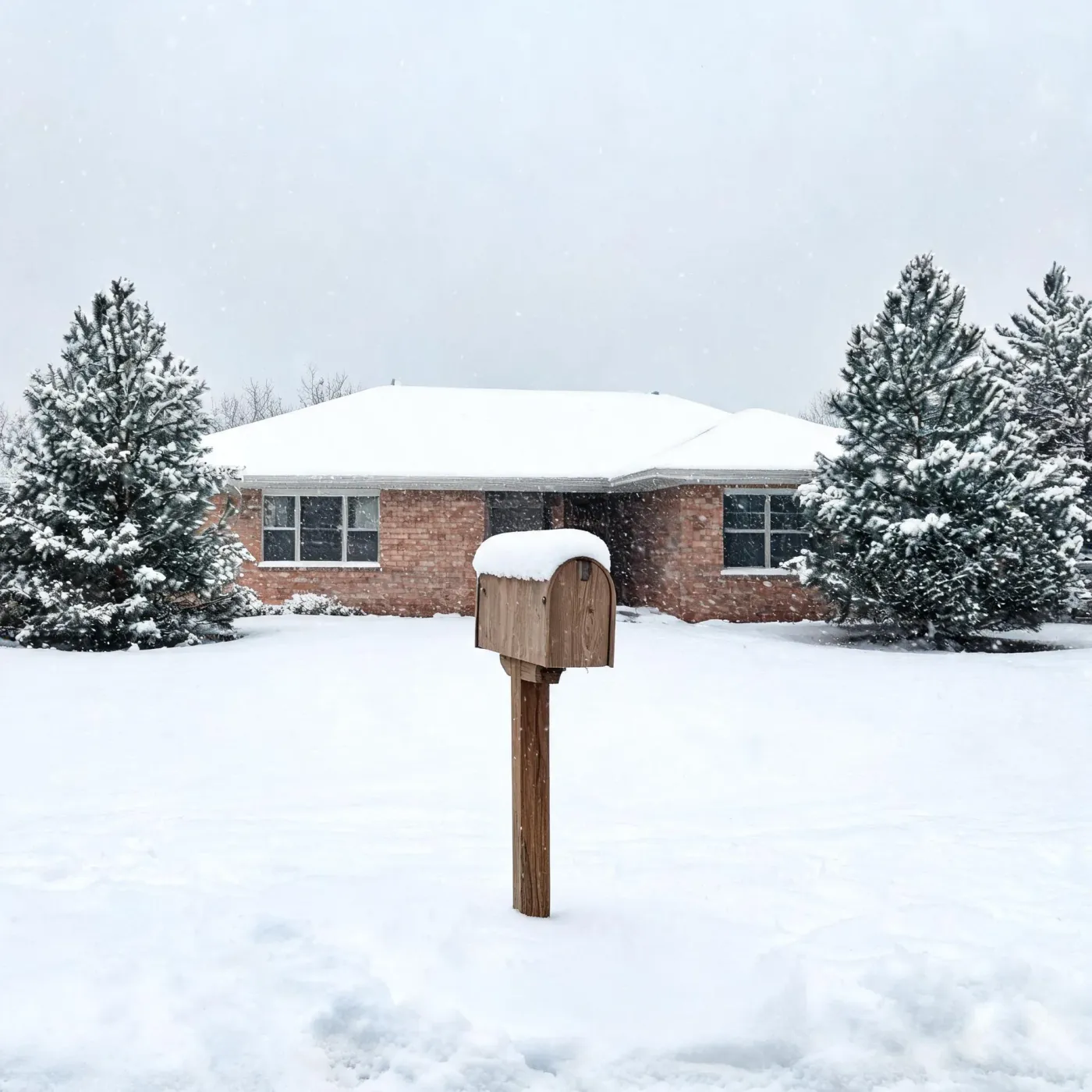
Statewide, winter nights average 13°F, according to NOAA climate data. At that temperature your boiler is running most of the night just to hold the thermostat setting, and it can't do that evenly if air is sitting in the radiators instead of water. A room with a cold spot at 13°F outside won't catch up on its own. You'll notice it as a bedroom that never feels right no matter how high you set the heat, or a boiler that seems to run constantly without much to show for it. Bleeding the radiators before those nights arrive gives the water a clear path to every room, so the heat you're paying for actually lands where you set it.
NOAA nClimDiv 1991-2020 county normals weighted by homes


That's the average winter night statewide, according to NOAA. A boiler fighting trapped air all night can't hold that line in every room evenly.
Bleeding a radiator takes a key or a screwdriver and a few minutes per unit. A boiler tune-up catches what air alone doesn't explain.
A night that cold keeps your boiler running for hours at a stretch. If a radiator is holding air instead of water, that room loses ground all night and the boiler just keeps cycling to try to catch up.
NOAA nClimDiv 1991-2020 county normals weighted by homes
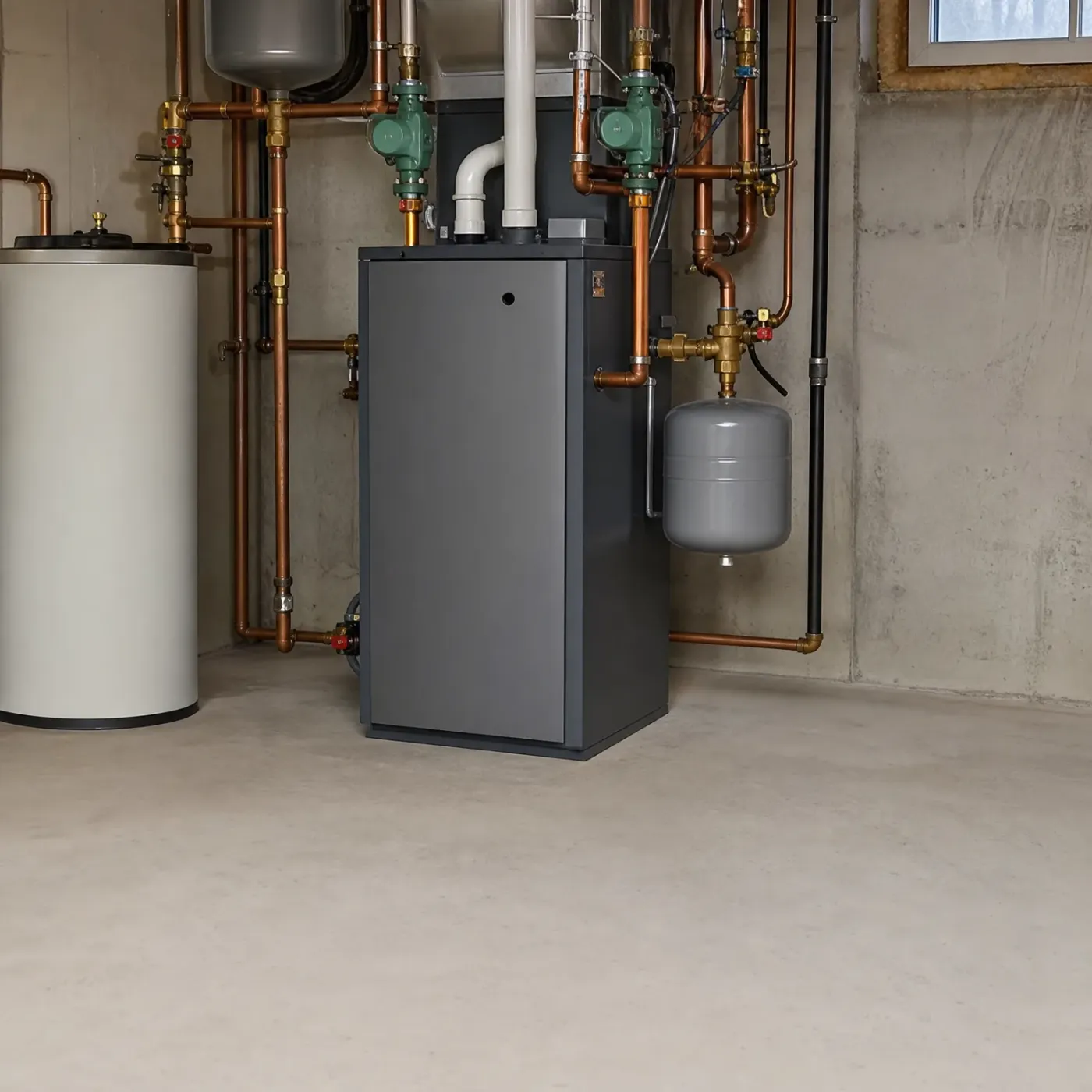
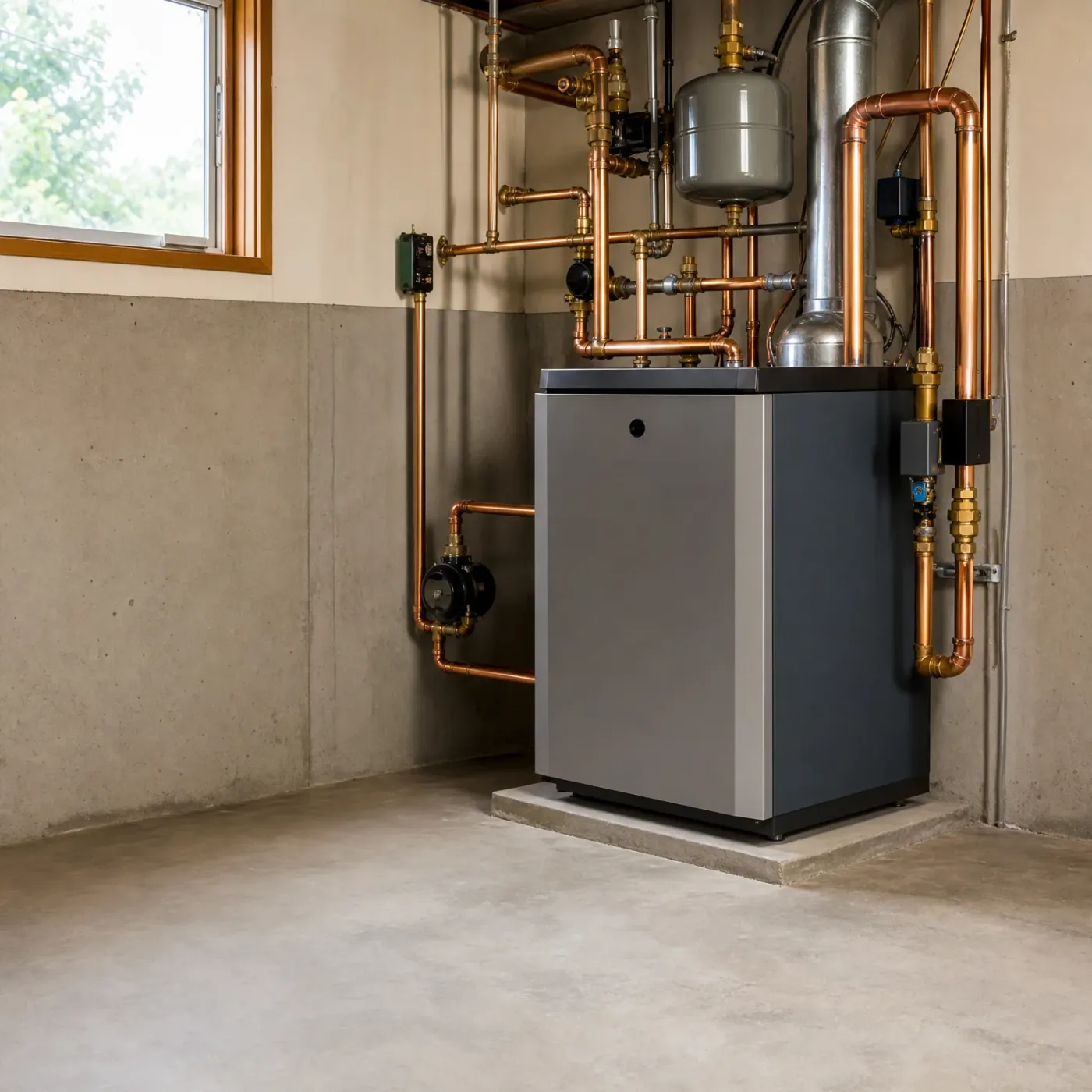
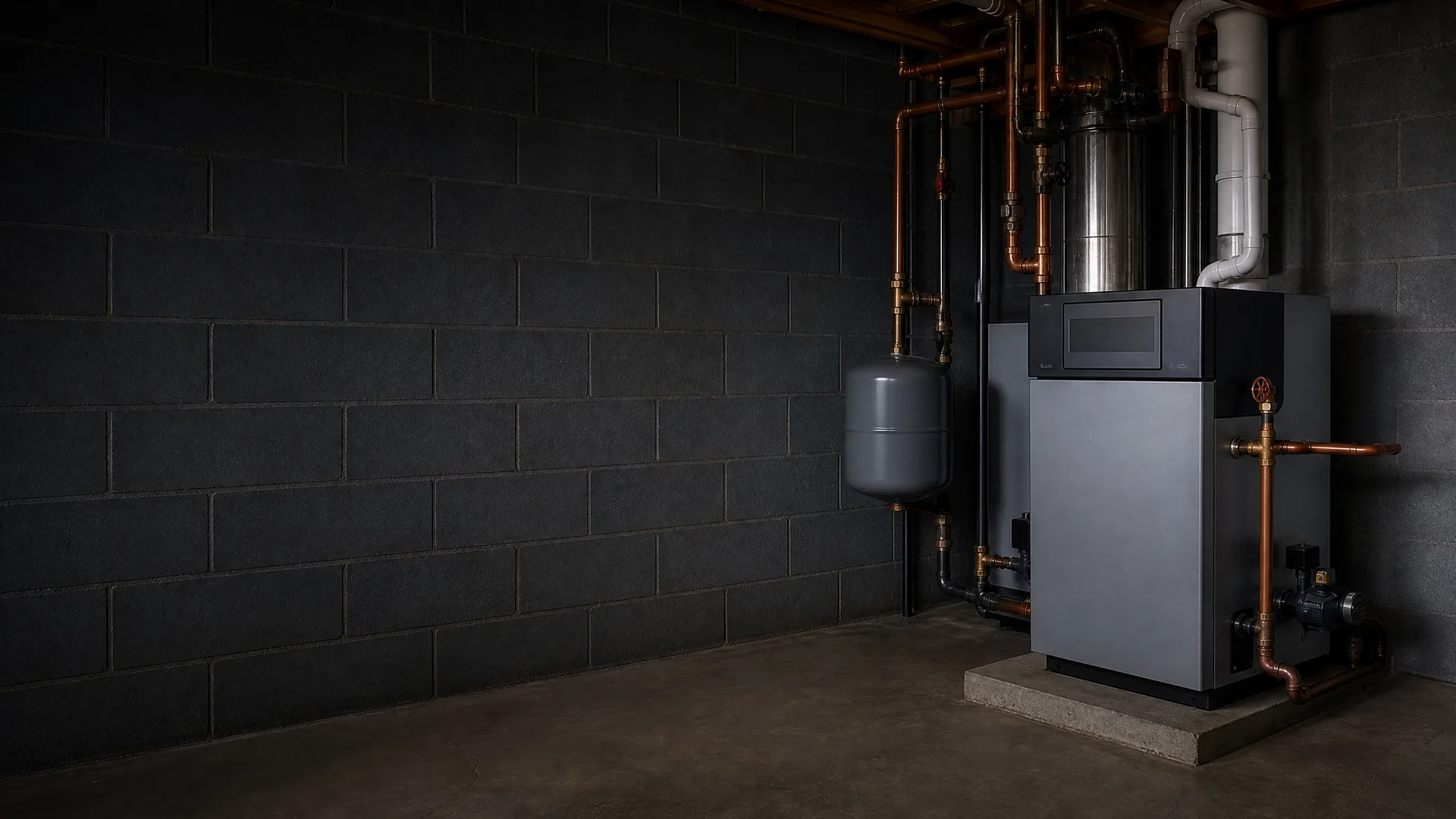
Water moves through the copper lines without a fight. Every radiator takes its share of heat and the pumps run steady instead of straining. A boiler set up like this holds pressure where it should and gets quieter, not louder, as the night goes on.
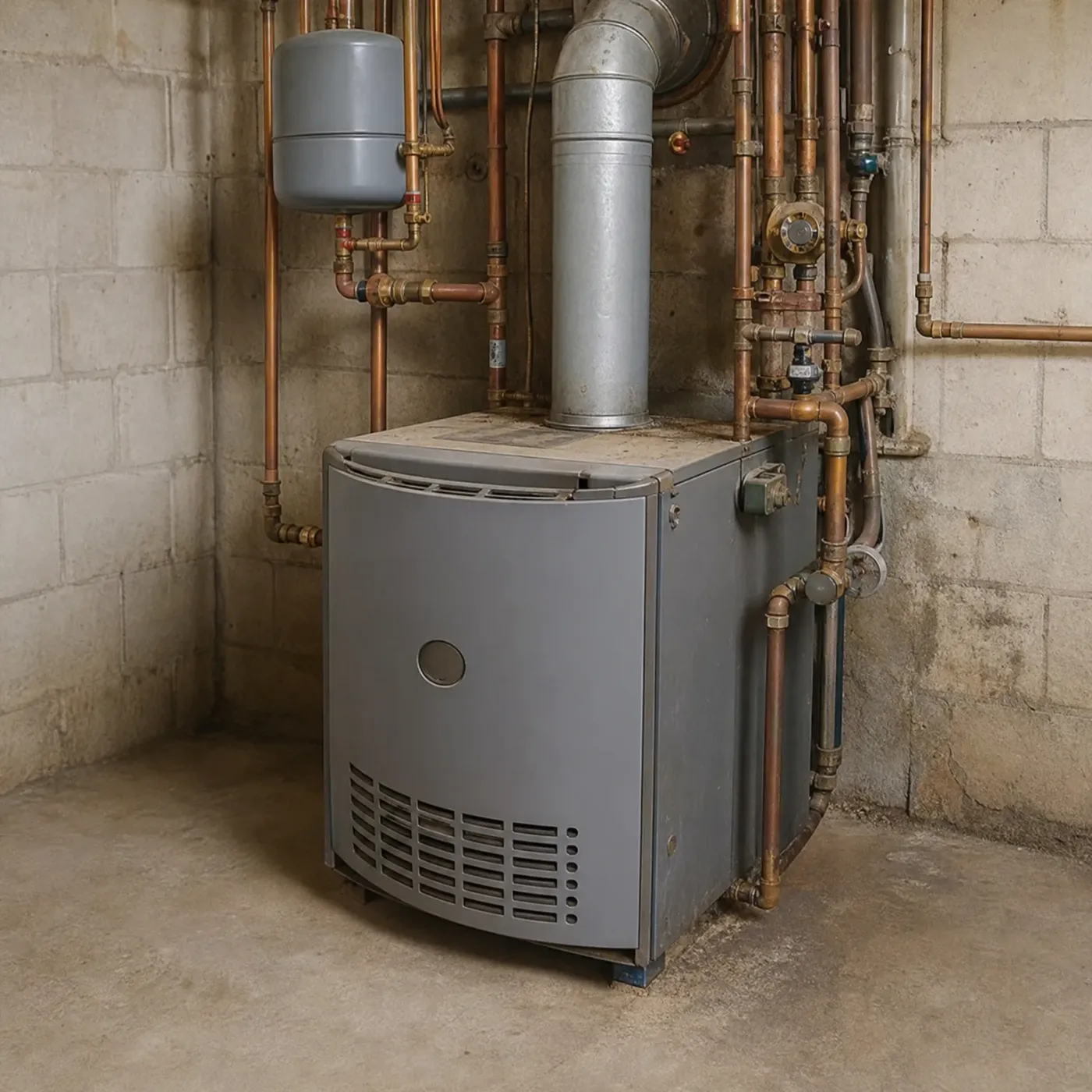
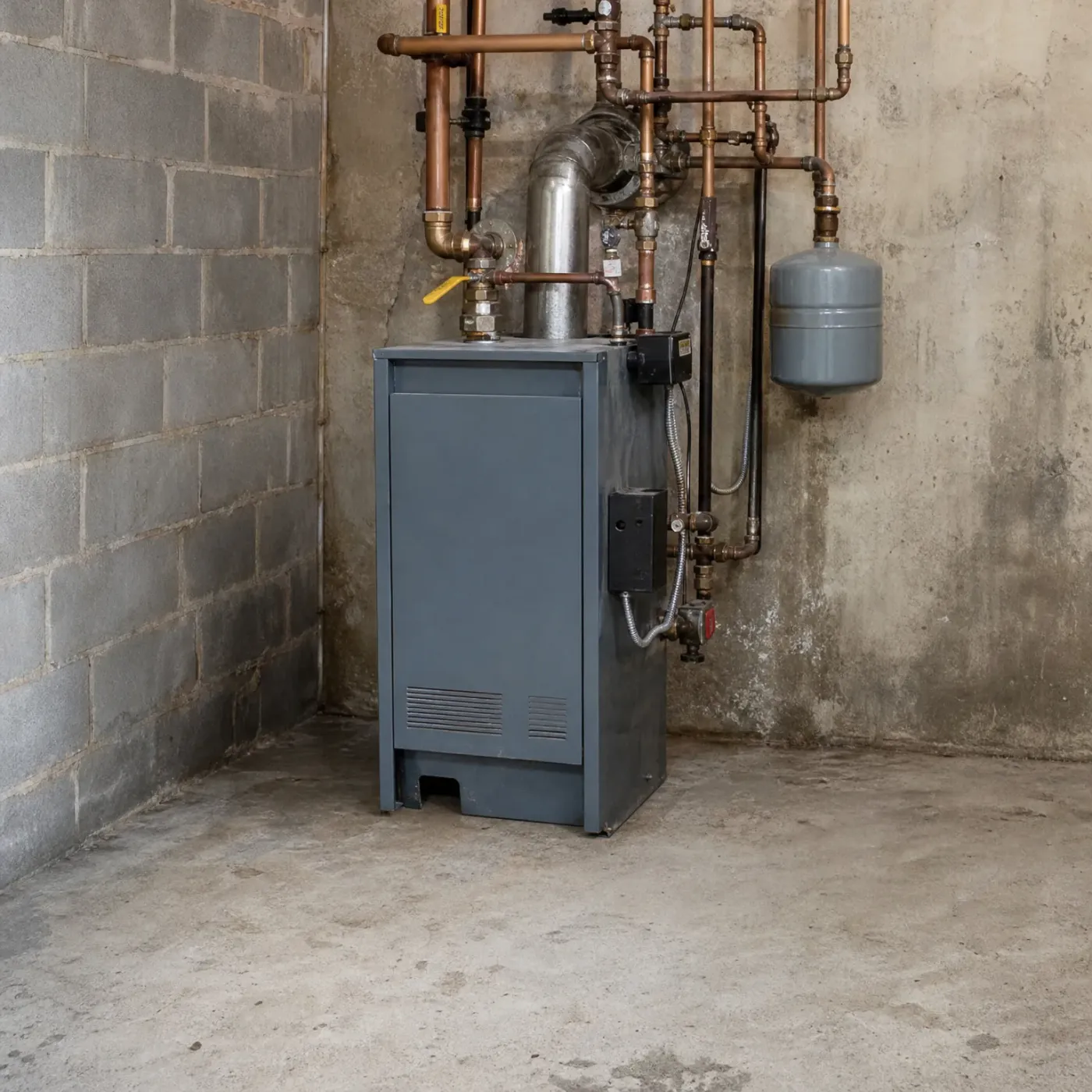
The flue pipe and fittings are doing their job, but somewhere past them a radiator is holding air it shouldn't. The boiler pushes water anyway, so it cycles more to cover ground it isn't actually heating. Nothing looks wrong from across the room, which is why it gets missed until January.
Bleeding a radiator is something you can do yourself with a key and a few minutes. If every radiator runs hot end to end after that and the gauge holds steady, you're set for winter. If a cold spot comes back, or the boiler still short-cycles, something past the air needs a look, a valve, the pressure, the feed to the system.
That's the point where most people start calling around, explaining the same cold spot to three different shops and sorting through quotes that don't line up. Send one form here instead and that search is off your plate. You'll still want the work done before the nights sit at 13°F for hours at a stretch, but finding who does it stops being something you have to chase down yourself.

Explain the job once and skip repeating it on every call.