





Signs your boiler won't last a Wisconsin winter

Step 1 of 3: Equipment

A boiler that won't make it through a Wisconsin winter usually tells you first with sound and uneven heat. Listen for kettling, a rumbling or banging in the heat exchanger caused by scale buildup on the inside, and watch for rooms that stay cold while others overheat, which points to a failing circulator pump or a zone valve stuck shut. Short cycling, where the boiler fires, shuts off, then fires again within a few minutes, strains the ignition system and wears it out faster. Water pooling at the base or around fittings means a crack or a bad seal, and that only gets worse under the pressure of a long cold stretch. Gas here heats most homes, so a boiler struggling in November has months of hard running ahead of it. Catch these now, while it's still mild, and a repair can keep you from losing heat on the coldest night of the year.

A smiling man in a gray long-sleeved shirt stands in a kitchen looking to the side, with open shelves of dishes, a white mug on the counter, a potted plant, and a view through a doorway into a living room.
A smiling bearded man in a green sweater sits at a white marble kitchen island with a mug, potted plant and bowl of fruit, in a bright white interior with open shelving and an arched doorway.
A smiling man with dark curly hair and a beard, wearing a dark green knit sweater, stands at a white marble kitchen counter with a dark blue mug, with open shelving, pendant lights and a houseplant behind him.
A smiling man in a green ribbed sweater stands behind a wooden table holding a ceramic mug of coffee in a kitchen with white subway tile, shelves of potted plants, and a bowl of fruit.

Why does your boiler sound different than it used to

Walk through the house and pay attention to what's changed. Radiators that used to heat evenly now have cold spots, or one room on the second floor never gets warm no matter how long the thing runs. The boiler takes longer to bring the house up to temperature than it did last winter. You hear banging or a low rumble when it fires, not just a hum. Water pools near the base, or you see rust where the pipes meet the tank. The pilot light or burner flame looks yellow or orange instead of blue. Any one of these on its own might not mean much, but a boiler showing two or three of them going into a Wisconsin winter is one that's working harder to do less, and that's the kind that tends to quit on the coldest night instead of a mild one.

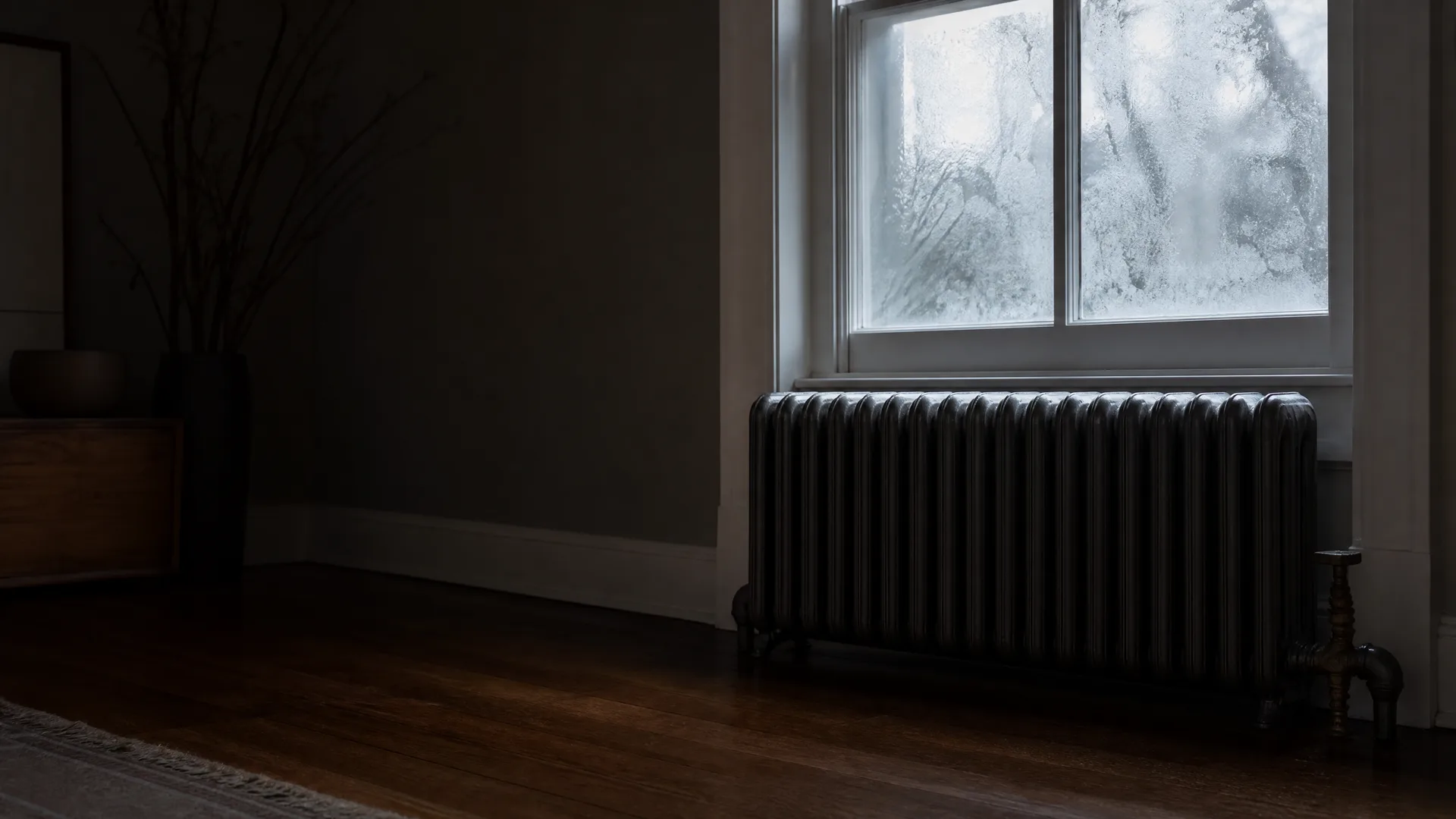
A cast-iron column radiator stands beneath a frosted window in a dim room with dark walls, a wood floor, and a vase of bare branches on a low cabinet at left.

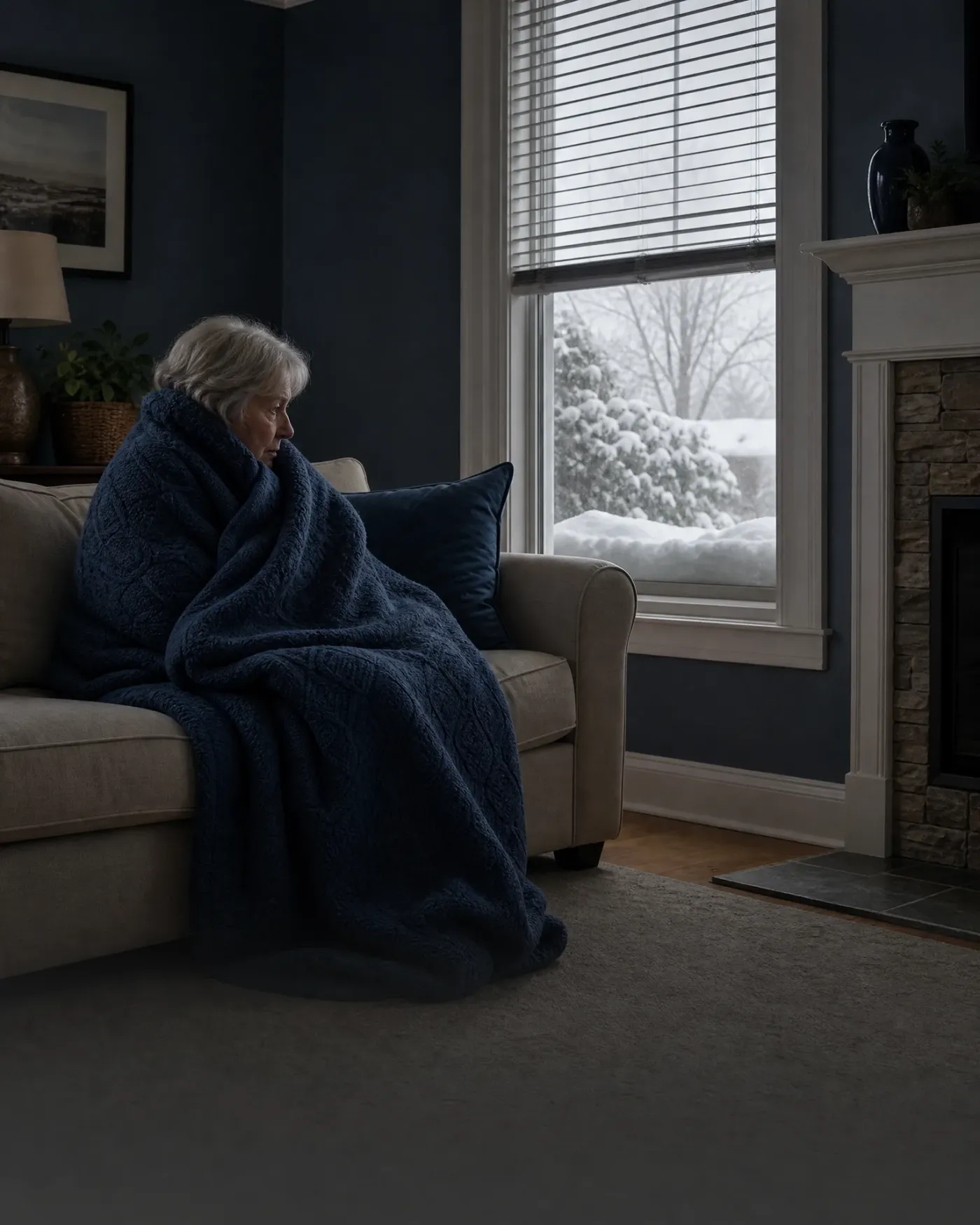
You get up before the house is awake and the living room is cold in a way that feels different from yesterday. The radiator under the window ticks but the glass above it has frosted on the inside, a thin sheet of ice tracing the corners of the pane. Outside it is still dark, January dark, and the thermostat says the house should be warm by now. You put a hand on the radiator. Warm at the bottom, barely warm at the top. You pull your robe tighter and stand there a minute, listening to the pipes, wondering if it'll hold until the kids are up.

A closed dark laptop and a ceramic mug of coffee on a wooden dining table, with wooden chairs, a dark kitchen cabinet with cutting boards and a potted plant, and a leafy plant by a window in the background.

What's happening inside when the kettling starts

Kettling means scale has built up on the inside of the heat exchanger, the part that transfers heat from the burner into the water running through your system. Water boils against that scale in pockets instead of flowing past evenly, and the banging you hear is steam collapsing inside those trapped pockets. The exchanger is working harder to push heat through a layer it was never built to push through, and in a Wisconsin January, running harder for longer stretches is exactly when a weakened exchanger tends to crack.

A boiler that's cracking a heat exchanger doesn't announce it with one clear symptom. It shows up as higher gas bills, as a pilot or burner flame that looks different than it used to, sometimes as a faint smell. If you've already noticed the sound and the cold rooms, the next step isn't waiting to see if it gets worse. It's getting someone qualified to look at the exchanger directly, rather than spending evenings calling around to find a boiler tech who can actually get out to a house in the middle of a cold snap.

Interior corner with a beige sofa holding a dark green and a light cushion and a textured throw, a potted small-leaved tree beside a white-framed window, and a dark shallow bowl on a wooden coffee table in the foreground.
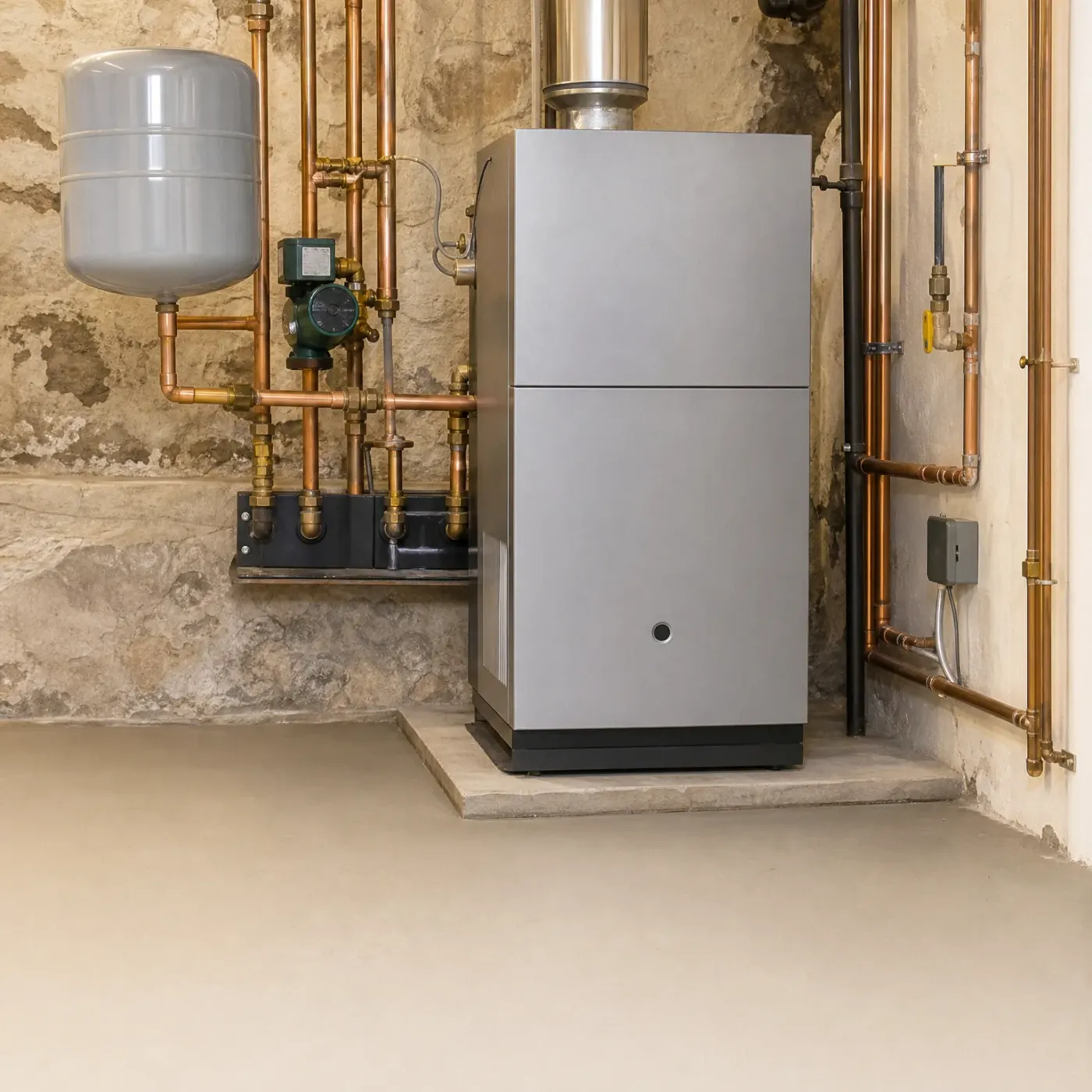
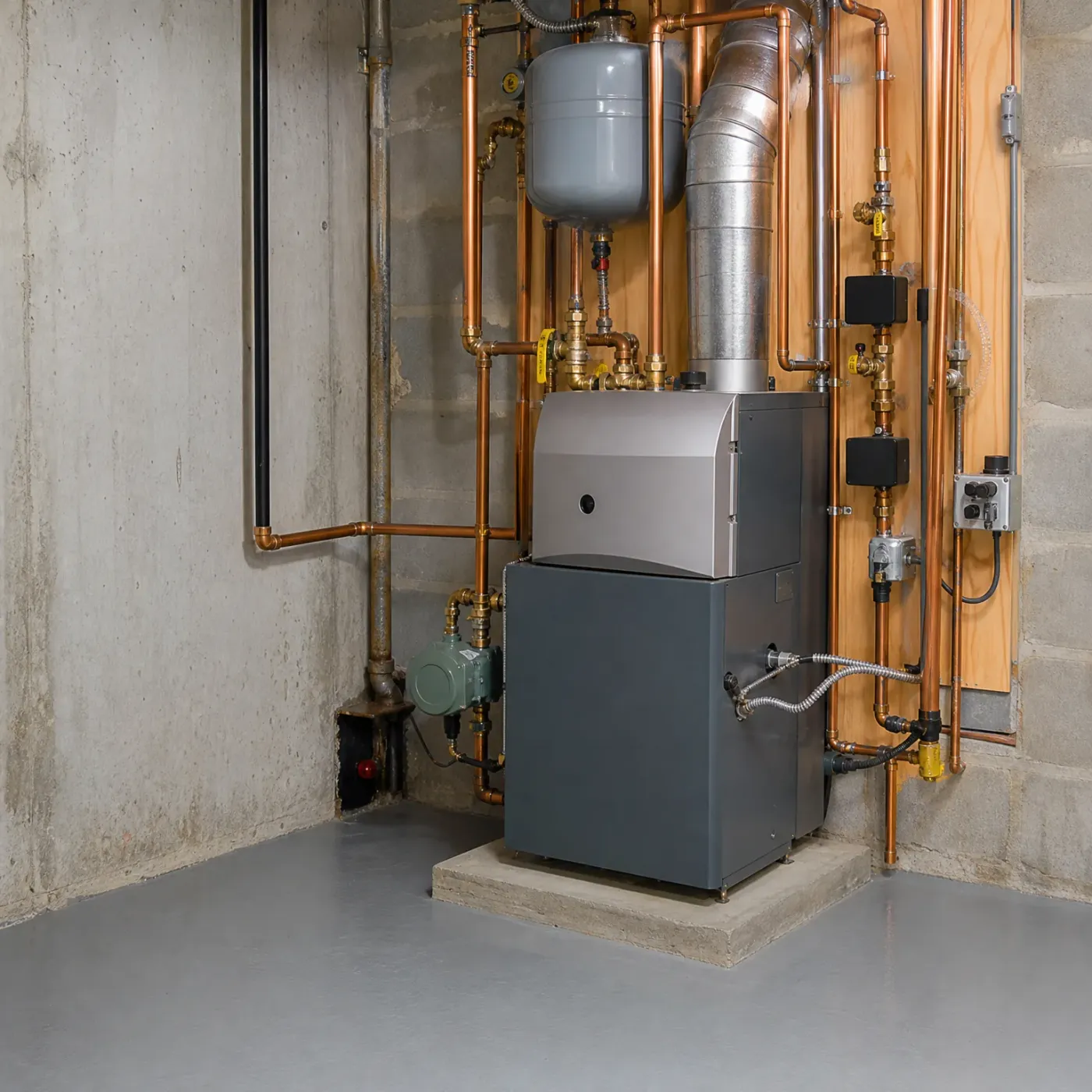
A gray residential boiler on a concrete pad in a basement corner, connected to copper piping, an expansion tank, circulator pumps and insulated flue ducting against concrete and plywood walls.

Running the way it should

This is a boiler keeping up. The pump moves water through the copper lines without strain, the gauge holds steady, and every radiator in the house gets warm at roughly the same time. No ticking in the pipes, no cold rooms upstairs while the basement stays toasty. Heat spreads the way it's supposed to.
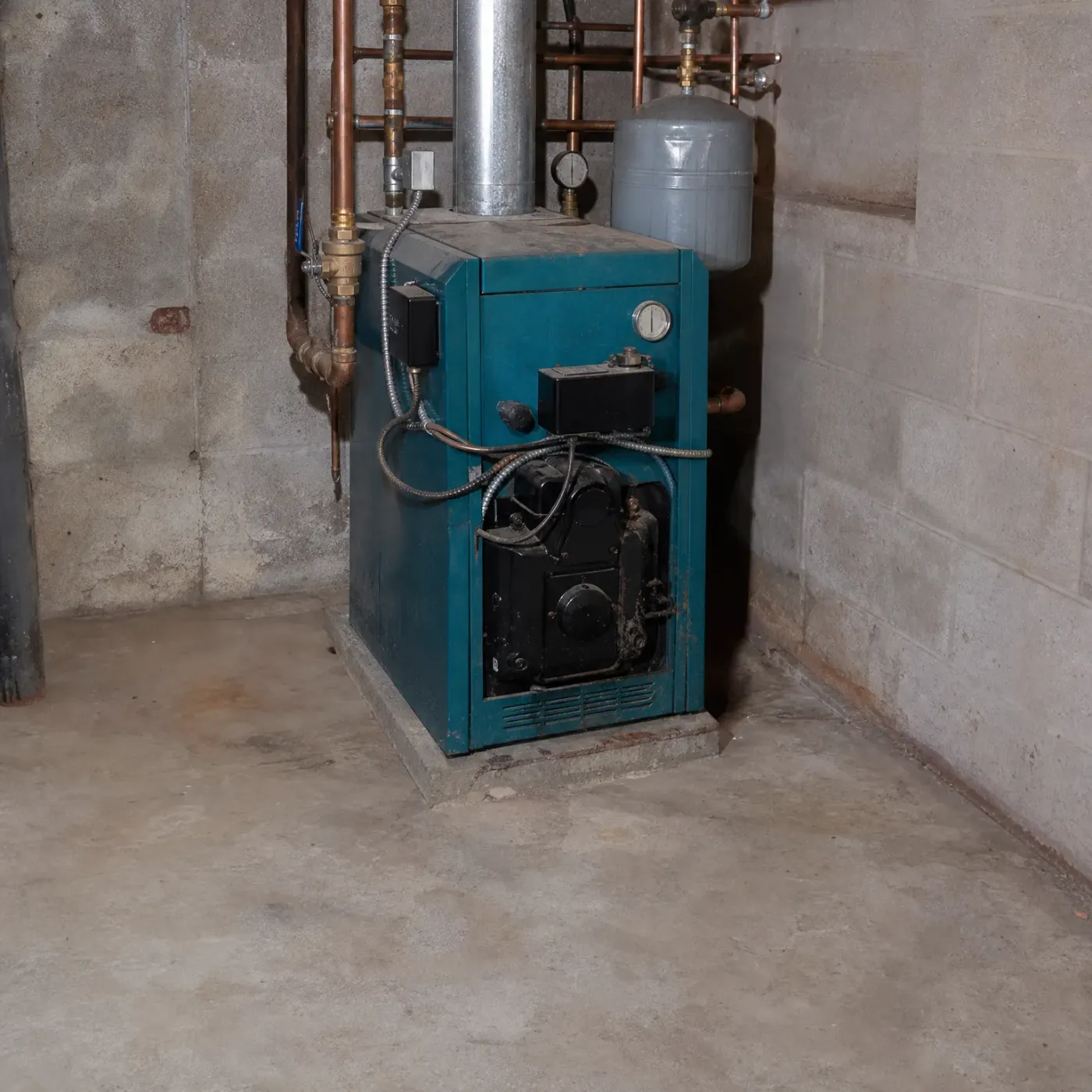

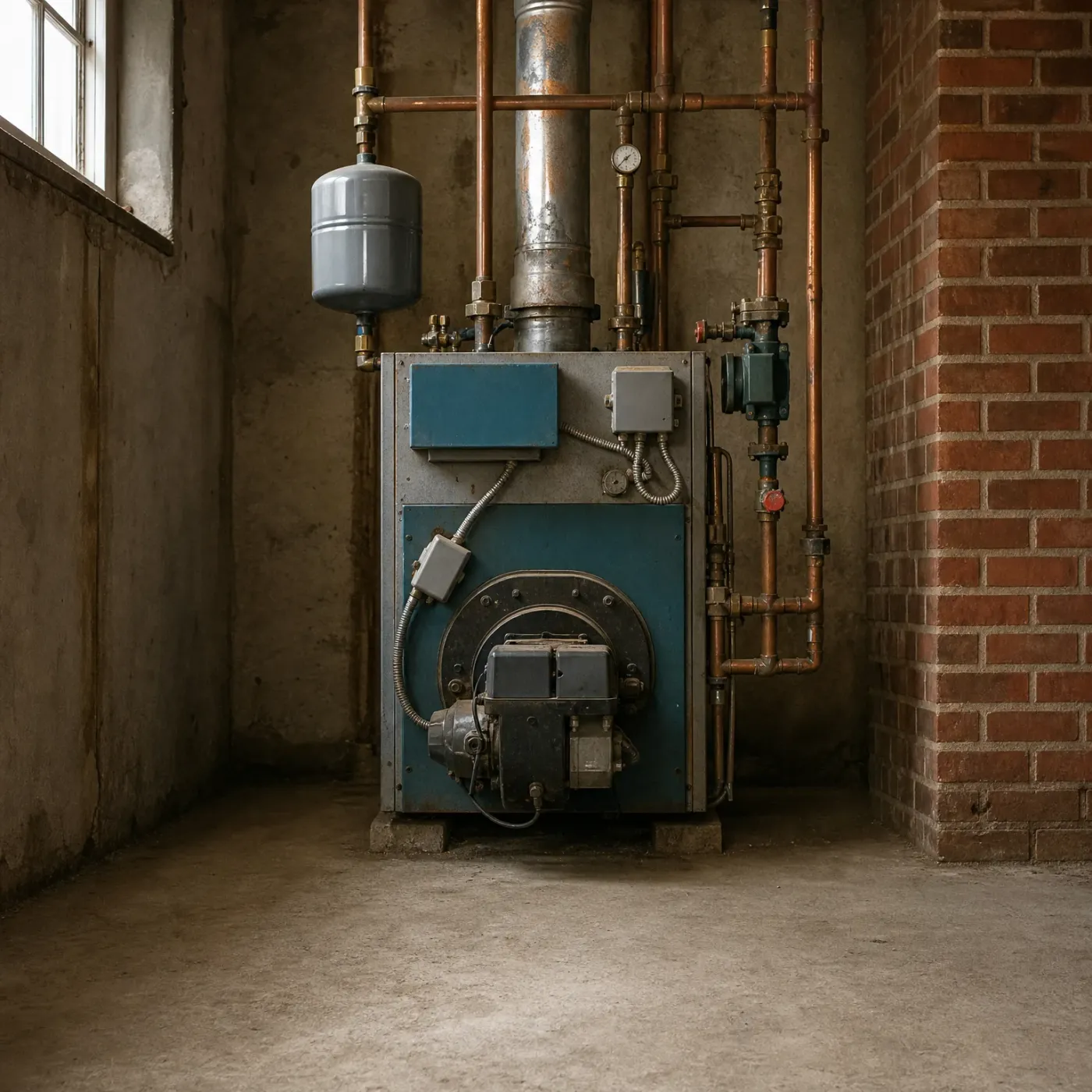
A teal boiler with a pressure gauge and black burner unit sits on a concrete pad in a basement corner, with copper pipes, a flue vent, and a gray expansion tank above against concrete block walls.

On its way out

This is a boiler losing ground. The teal casing and fittings show their age, and a unit like this often runs on borrowed time once the pressure gauge won't hold or the pipes have been patched more than once. If yours looks like this, a Wisconsin cold snap will find the weak spot first.

Why does my boiler take so long to heat the house now?

You used to set the thermostat and the house warmed up in a reasonable amount of time. Now it takes noticeably longer, and you're running it longer stretches just to get the same result. In a Wisconsin winter, that lag matters, because the gap between when you turn the heat up and when the house actually feels warm keeps growing.

It's taking more fuel and more time to move the same heat

A boiler heats water, and the hot water heats your radiators or baseboards, and that heats the air in the room. When scale builds up inside the heat exchanger, it insulates the water from the burner's heat instead of letting it pass through. The burner has to run longer to get the water to the same temperature it used to reach fast. Your gas use climbs along with the runtime, and with Wisconsin power and gas costs that shows up on the bill before you can put a name to why. Sediment at the bottom of the tank or a pump losing strength causes the same lag. Either way, the house is asking for more from the boiler and getting less back for it.

A man in a blue T-shirt sits on a light gray sofa, laughing while looking at an open laptop in the foreground, with a framed picture, lamp and potted plant behind him.
A bearded man in a blue and brown plaid flannel shirt stands indoors looking out a window at snow-covered trees, with a ceramic mug on the windowsill.
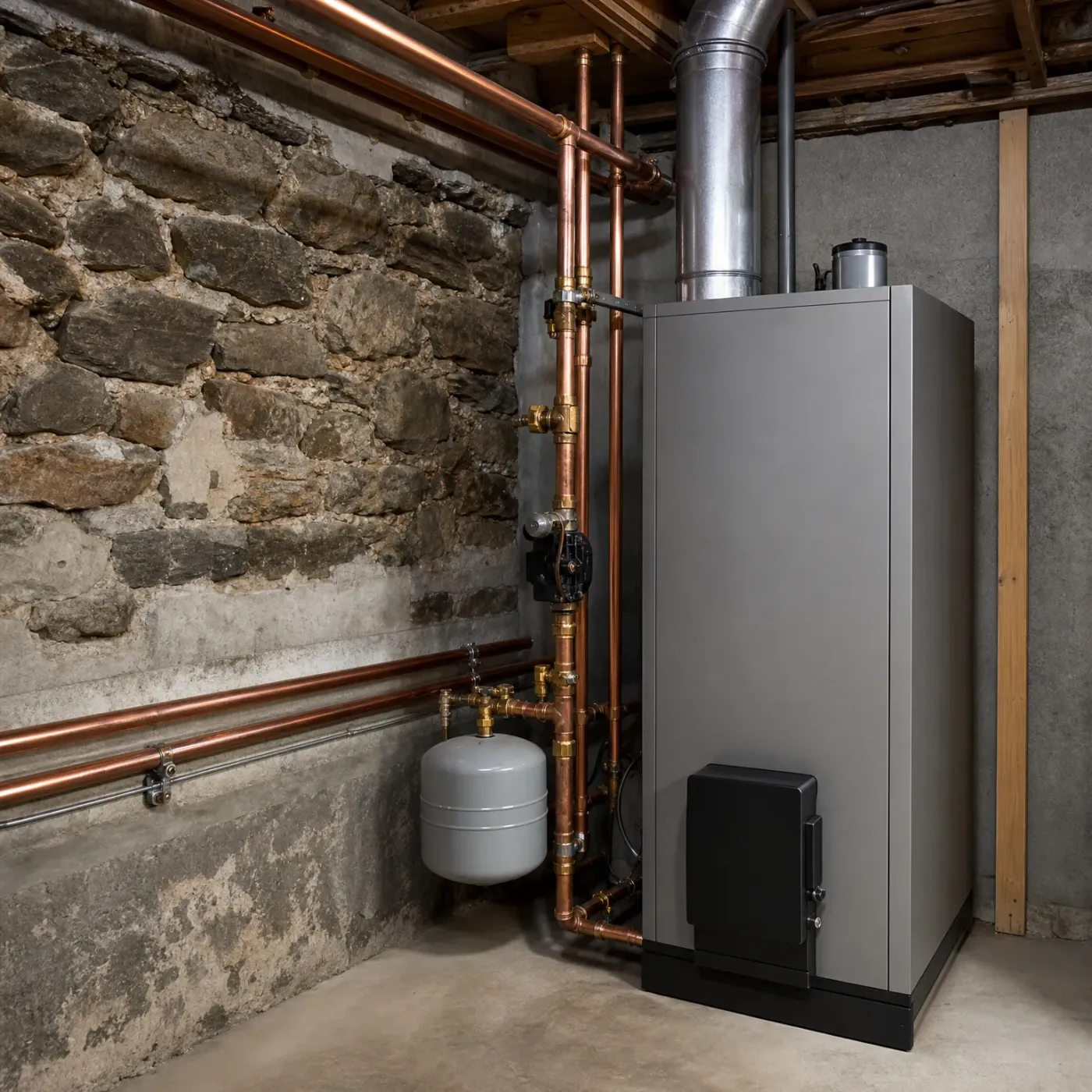
A gray boiler unit with a metal flue stands in a basement beside copper piping, valves and a small expansion tank, against a stone and concrete wall with wooden joists overhead.

Hand off the boiler problem

Describe what your boiler is doing once, in one form.

Send the request today and let a boiler pro reach out to you.

Skip the search

It costs nothing to send, and you don't have to hire anyone.

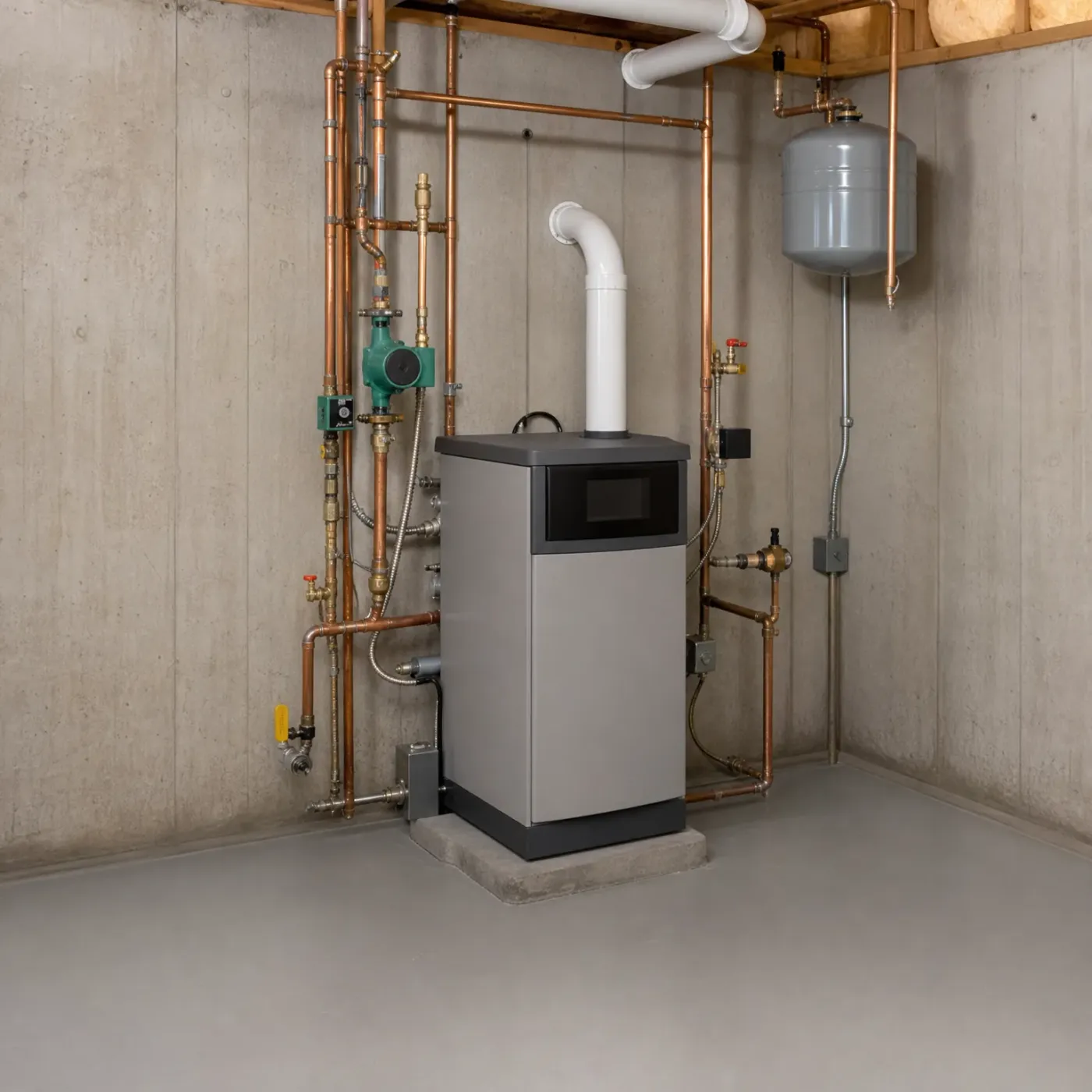
A gray floor-standing boiler on a concrete pad in a basement corner, with copper piping, a circulator pump, a white PVC flue, and a gray expansion tank mounted on the wall.
The pump moves water through the copper lines without strain and the gauge holds its pressure, so when a January cold snap hits, the system has the reserve to meet it.
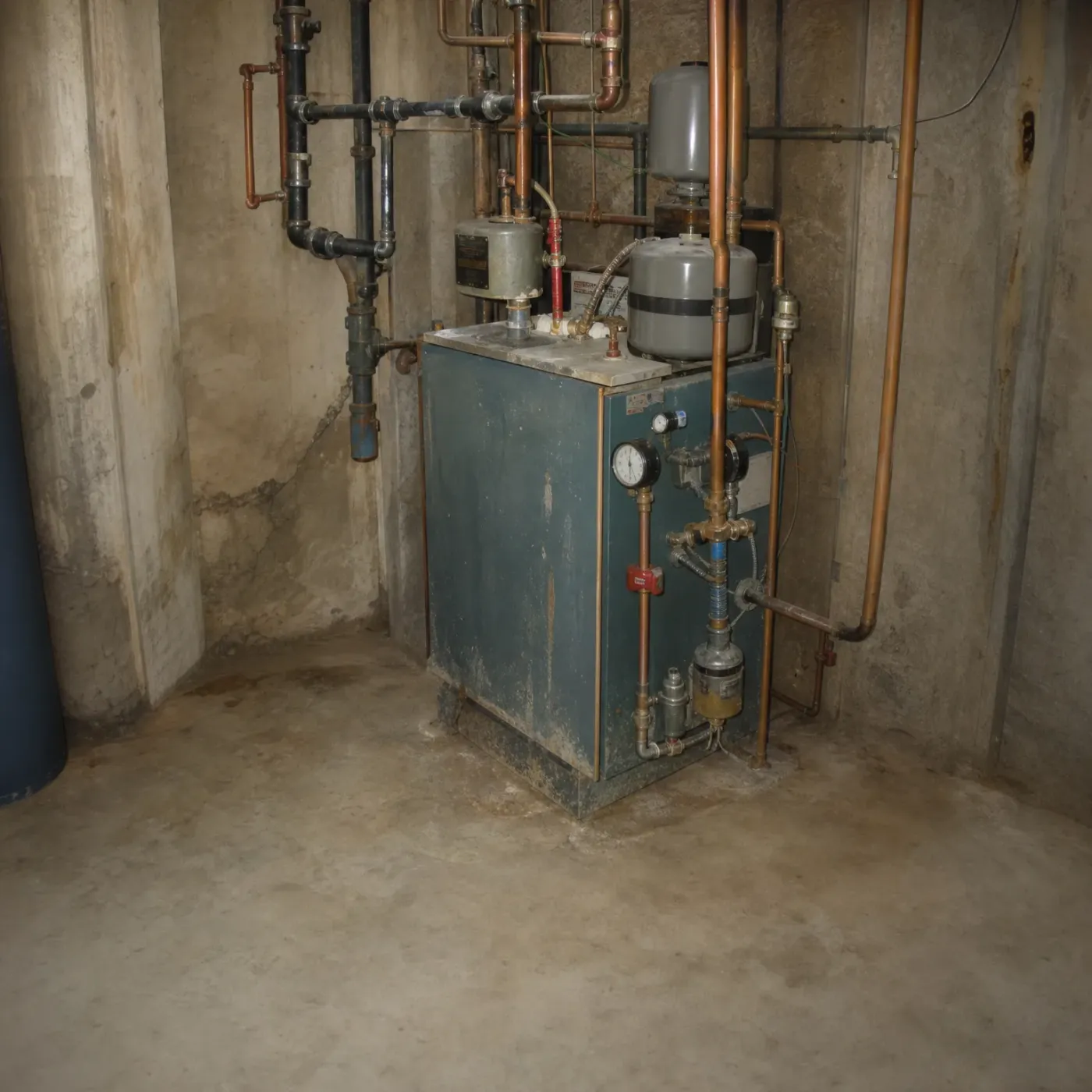
A green metal boiler with pressure gauge stands in a concrete basement corner, surrounded by copper and black iron pipes and two tank-shaped vessels.
The pressure gauge keeps drifting and the valves around this cast-iron unit have been patched more than once, which is a bad position to be in come December.

Repair it or plan to replace it

Calling for repair

  • The boiler is keeping pressure between fills and you're not adding water more than once or twice a season.
  • Kettling or banging showed up recently and hasn't spread to every radiator in the house.
  • One room runs cold but the rest of the house heats evenly, which points to a zone valve or a trapped air pocket rather than the boiler itself.
  • The pilot or igniter has gone out a few times but relights and holds once it's running.
  • Parts for the unit are still something a contractor can get without special order delays.

Past repair

  • Pressure drops every week and you're adding water constantly just to keep it running.
  • Kettling now comes from more than one radiator and gets louder as the week goes on.
  • The cast iron sections show rust streaks or weeping at the joints where water is escaping slowly.
  • Rooms that used to heat fine now lag no matter how long the thermostat runs, which points to the heat exchanger losing the ability to transfer heat.
  • A contractor has already told you the sections are scaled past cleaning or that replacement parts for this model are hard to find.
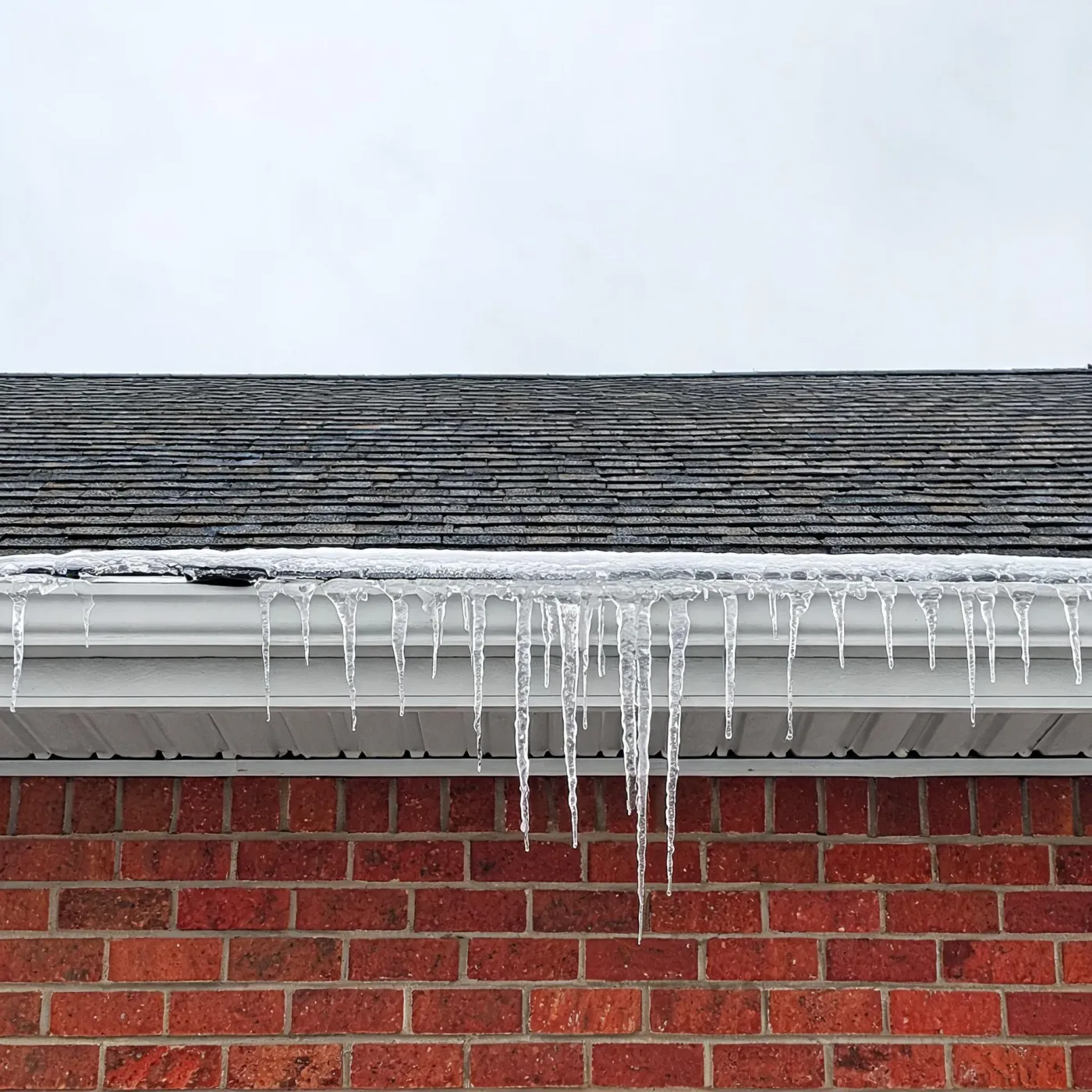
Icicles hang from a white gutter and fascia below an asphalt shingle roof above a red brick wall, under an overcast white sky.

Statewide, winter nights average 13°F, according to NOAA climate data. That's the stretch where your boiler can't idle. It has to hold a steady call for heat for hours at a time, and if there's scale on the heat exchanger or air trapped in the lines, that's when it shows up: a room that won't come up to temperature, a pump straining to push water through, a pressure gauge that won't hold. A boiler in good shape rides out a night like that without you noticing anything. One that's struggling tells you around 2 or 3 a.m., when the cold is heaviest and the house is counting on it most.

NOAA nClimDiv 1991-2020 county normals weighted by homes

A blue cast-iron boiler with a burner unit, gauges and copper piping stands in a concrete-floored basement room beside a red brick pillar and a window.
Before you get your boiler repair
A gray boiler unit with a flue pipe stands on a concrete pad in a basement, surrounded by copper piping, a circulator pump, an expansion tank mounted on a stone wall, and an electrical outlet.
After you get your boiler repair

What age tells you

A boiler that came with the house or has been in since before you lived there has already put in a lot of winters. Cast iron sections and heat exchangers wear from the inside, and once scale and corrosion get a foothold, they don't reverse. An older unit running rough in November is a different situation than a new one doing the same thing, because the older one has less left to give before a cold snap finds the weak point.

What the pressure gauge tells you

The gauge should hold steady between fills. If you're adding water to bring it back up more than once or twice a season, something is letting water out of a closed system, whether that's a slow leak at a valve or fitting, or air getting in where it shouldn't. A system that can't hold pressure can't hold reserve, and reserve is what gets a boiler through the stretch of nights when it has to run for hours without a break.

Winter nights average 13°F statewide

13°F is the average overnight low here, not the worst of it. On a boiler already kettling or running uneven heat, that kind of cold is when a weak spot gives out, usually at night, with no warning beyond what you've already heard.

NOAA nClimDiv 1991-2020 county normals weighted by homes

What these signs add up to

  • Kettling, cold rooms, slow heat-up and a pressure gauge that won't hold are the four signs that add up to real risk.
  • None of these signs mean the boiler quits today, but together they mean it's more likely to fail on the coldest night of the year.
  • A boiler with one of these signs can often be repaired; one with several, especially on an older cast-iron unit, is a harder case.
  • Wisconsin nights average 13°F, and that's the exact stretch where a weakened boiler has nowhere left to hide.
  • Catching this now means a licensed contractor looks at it before the cold snap, not during one.
  • Sorting through who's available and explaining the noise and the cold rooms over and over is the part you can skip.

A boiler making it through a Wisconsin winter comes down to what you've noticed and how much of it is happening at once. Kettling by itself is a warning. Kettling plus a cold room plus a gauge that keeps dropping is a different situation, and it's the combination that matters more than any one symptom. None of this means the boiler dies tomorrow. It means the margin is gone, and the margin is what used to get you through the nights when it dropped to 13 below zero and stayed there for hours. A cast-iron boiler that's been in since before you owned the house has less of that margin to begin with, and scale inside the heat exchanger doesn't reverse on its own once it starts. Caught now, most of these problems are still a repair, not a replacement. Caught in the middle of a cold snap, with the heat exchanger already struggling and the temperature outside doing the rest, the choice gets made for you instead of by you. The difference is whether a licensed contractor looks at it on a Tuesday afternoon or at midnight with the house at 58 and dropping. You already know the small-problem routine, catch it early, deal with it before it becomes the big problem. The part of that routine nobody enjoys is the search itself, calling around, explaining the kettling and the cold upstairs room to three different people, then sitting with quotes trying to compare them. That part is what you can hand off here.

A dark wood cabinet with a paneled door and a ceramic pot of green foliage on top stands in a beige-walled room with white baseboard, a window at left, hardwood floor, and a patterned area rug.
A dark wood glass-front cabinet holding folded towels, woven baskets and a ceramic vase stands in a bathroom corner beside a window, with a potted fern and stacked towels on top and a freestanding tub partly visible at left.
A woven basket holding a green cushion and a cream fringed knit throw sits on a wood floor in a room corner beside a window and a dark wooden cabinet.
Corner of a room with a dark wood cabinet topped by a round vase, a linen curtain at a window, white baseboard, oak plank flooring with sunlight patches, and a woven jute rug in the foreground.
A dark wood sideboard against a pale wall holds a shallow stone bowl and a round ceramic vase with leafy branches, with sunlight from a curtained window falling across the wall, wood floor and woven rug.

Hand off the search today

Explain the job once and skip repeating it on every call.

Hand it off

No charge to send it. You decide if you hire them.