
Before you get your boiler maintenance
You're calling around trying to find someone who actually works on boilers, explaining the same knocking noise twice, and guessing whether the quote covers the pressure test.
 Skip the calls
Answer a few questions instead of calling shop after shop.
A boiler tune-up before winter checks the parts that keep it running once the cold sets in and stays. A tech bleeds air from the system, checks the pressure, looks at the expansion tank, tests the relief valve, and checks the burner and ignition if you're on gas like most homes here. Combustion gets checked too, so the boiler is burning clean and venting the way it should. None of this is quick, and it's not a job you'd want to rush through yourself in November when the first cold snap hits.
Wisconsin winters don't give a boiler much room for error. A system that's low on pressure or has air trapped in the lines works harder to heat the same rooms, and with power costs what they are here, that shows up on the bill before you've even noticed the house feels cooler than it should.
Finding someone to do this right usually means a handful of phone calls, explaining the same thing about your system to each one, then waiting on quotes to compare before you pick anyone. That's its own chore on top of the actual work on the boiler.
Here it's one contractor, licensed and local, someone who services boilers in this state every fall and knows which parts tend to give out first in a Wisconsin winter. You explain your situation once. No pile of calls from competing companies, no sorting through quotes that all describe the job differently. Just the one contractor, reaching out to you about your boiler.
What that tune-up actually covers, part by part, is below.
You want to know what you're paying for before you book a boiler tune-up, or you want to check that whoever comes out actually does the job right. With gas prices what they are and a Wisconsin winter on the way, you're not looking to pay for a once-over that skips the parts that actually fail.
A boiler left to run from October to April builds up the same wear every year: air gets trapped in the lines, pressure drifts off, and the burner picks up soot that throws off how clean it fires. The tune-up goes after those specific things because they're what actually causes a no-heat call in January, not because the list looks thorough. A tech who does this work all season in Wisconsin has usually seen which part on a given boiler tends to go first, and checks that one closely rather than treating every unit the same. Catching a weak component in October costs you a service call. Catching it in January costs you a cold house and a harder repair.





Trapped air in a boiler system makes a knocking or gurgling noise and keeps heat from reaching some of your radiators or baseboards evenly. Bleeding each zone lets the air out so hot water can fill the whole loop. Pressure matters too. Too low and the system can't circulate water the way it should. Too high and the relief valve may start weeping. A tech checks the gauge against what the system calls for and adjusts it before the cold sets in.
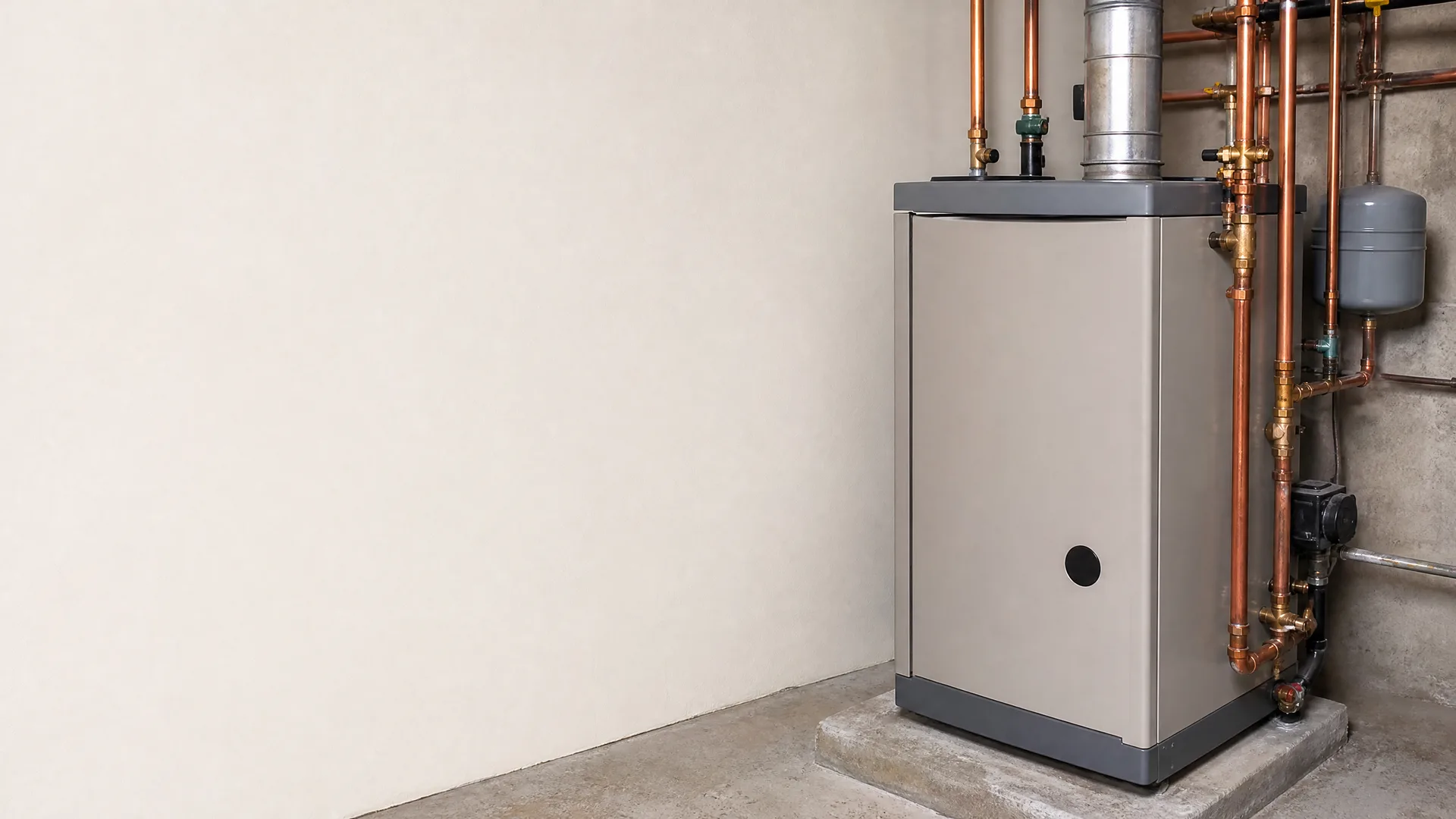
On a gas boiler, the burner has to light cleanly every time it's called on, which during a Wisconsin winter can be dozens of times a day. A dirty or worn igniter can delay ignition or cause the burner to shut down on a safety lockout. Soot or scale on the burner assembly changes how the flame burns and can leave carbon monoxide behind instead of venting it out. Checking these parts before winter catches a weak igniter while there's still time to replace it.
Walk the house in November and you'll notice it. One radiator ticks and knocks before it ever gets warm. Another stays cool at the bottom no matter how long the boiler runs. Maybe a baseboard upstairs barely puts out heat while the one downstairs is too hot to touch. You might catch a faint, sharp smell near the burner, or notice the pressure gauge sitting higher or lower than it did last year. None of this means the boiler is done. It usually means air or pressure is off somewhere in the system. Left alone through a full Wisconsin winter, that unevenness tends to get worse, and the parts working hardest to compensate are the ones most likely to fail on the coldest night.
Bleed air from each zone so water reaches every radiator.
Check system pressure and refill if it's low.
Inspect the expansion tank for waterlogging.
Test the pressure relief valve for a clean seal.


Finding someone qualified to work on a boiler isn't like finding someone to look at a furnace. It's a different kind of system, and not every HVAC company sends a tech who deals with them often. You could spend an evening calling around, explaining the knocking radiator or the pressure gauge that keeps creeping up, and still end up with three estimates you have to compare line by line, unsure which one actually checked the expansion tank and which one just topped off the pressure and left. Request the tune-up here and that search ends. It goes to one licensed contractor near you in Wisconsin, someone who works on boilers all season and has seen what tends to fail by the time the first hard cold hits, a stuck relief valve, a waterlogged tank, a pilot that won't hold. You explain the problem once. No stack of quotes to sort through before the cold settles in for good.
A boiler that gets checked in October runs on a tech's schedule. He can order a part, let a repair wait a day, test the system with no one shivering in the next room.
A boiler that fails in January runs on the weather's schedule. The same part, the same repair, now has to happen that day, in the cold, with pipes that may have already frozen while you waited.
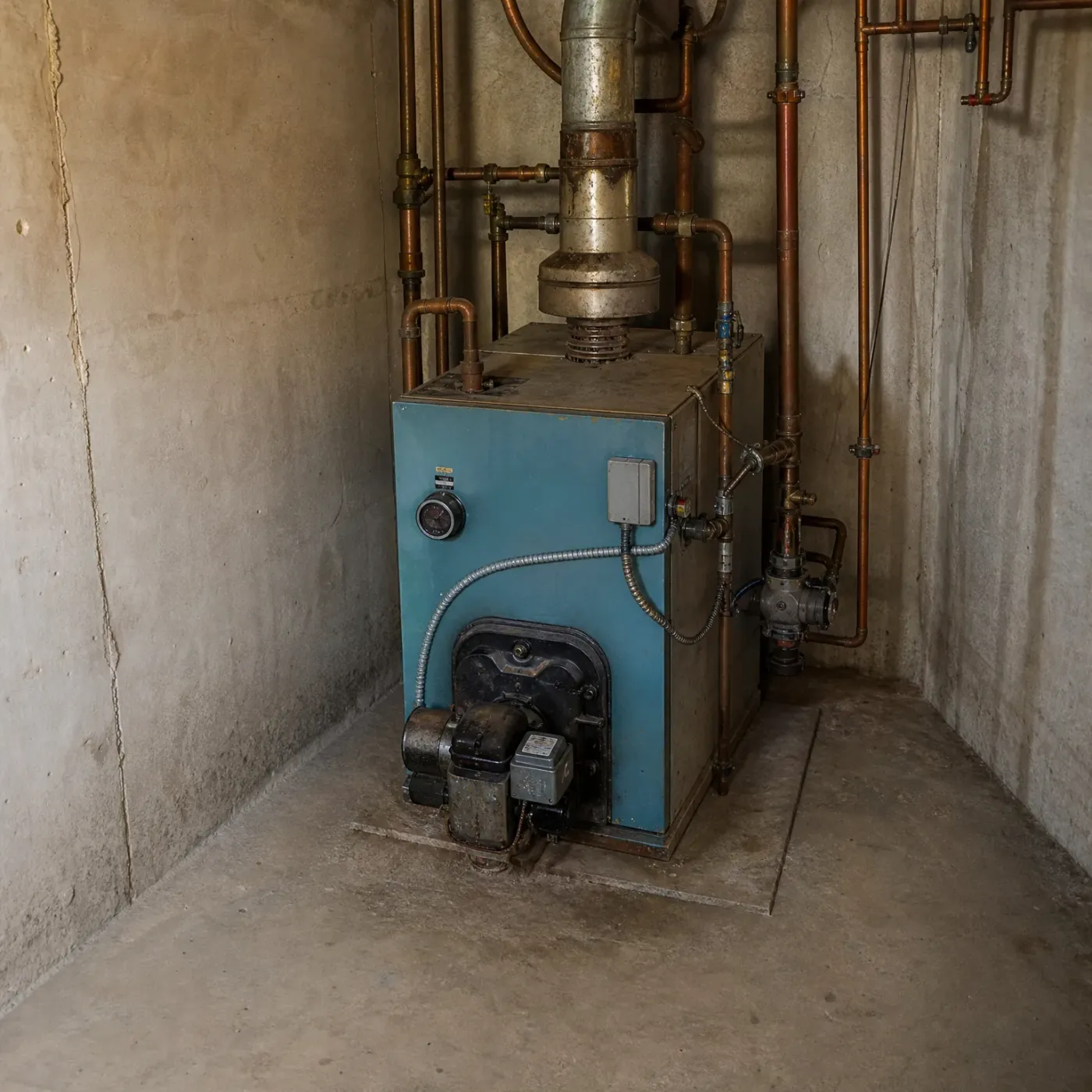
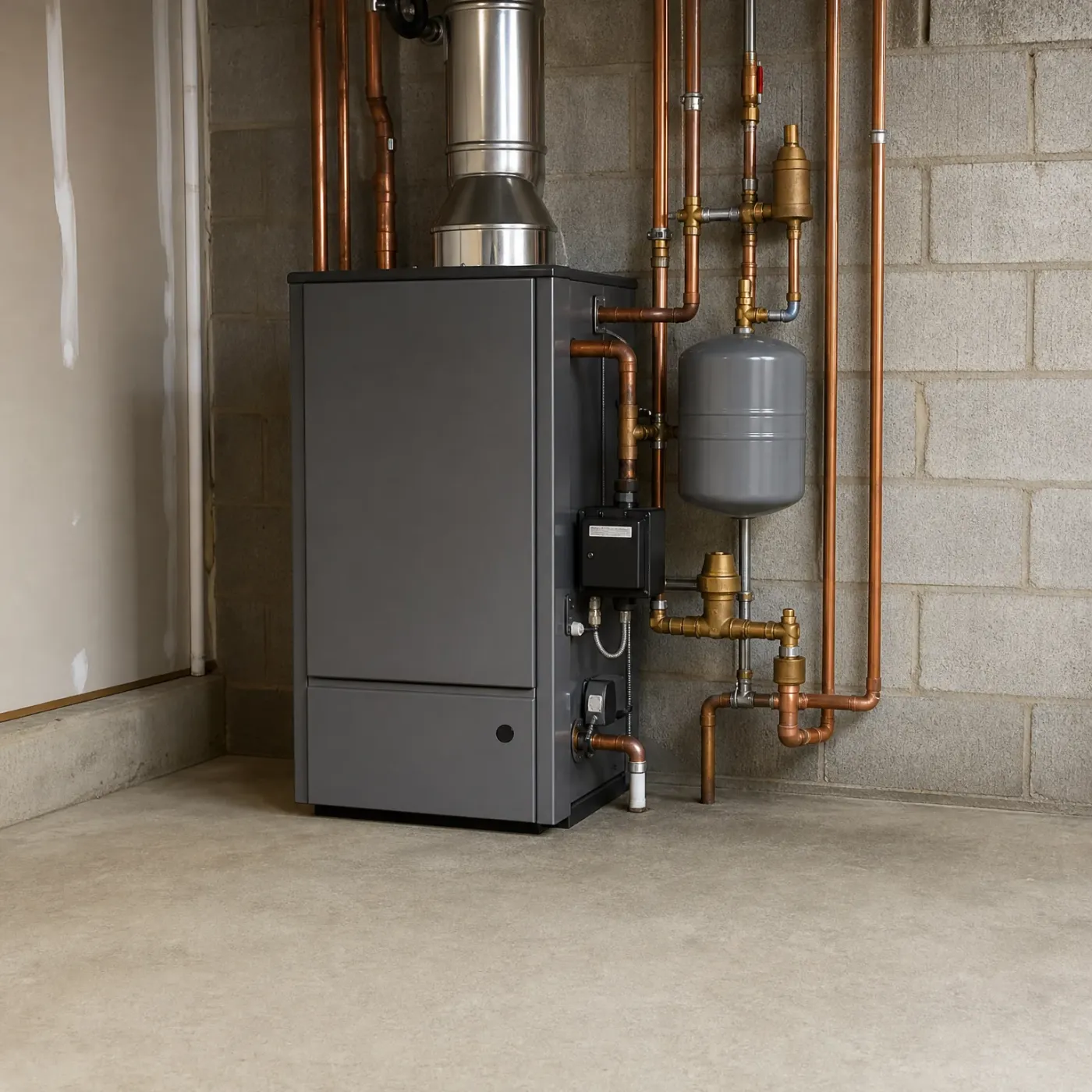
You're calling around trying to find someone who actually works on boilers, explaining the same knocking noise twice, and guessing whether the quote covers the pressure test.
A local tech who sees these systems all winter checks the pressure, the expansion tank, and the burner, and you heard the plan once instead of three times.

Skip the tune-up and you won't know what shape your boiler is in until it's already working hard to keep your rooms warm. If the expansion tank is waterlogged or the relief valve is slow to seat, you might not catch it until a January night when the boiler is running most of the hours in the day. A problem that would have been a quick fix in October turns into a no-heat call with your family in the house and a tech trying to fit you in.
You also don't want to be the one calling three different companies, describing the same knocking radiator each time, trying to figure out which quote actually includes a pressure check and which one doesn't. A tune-up booked now goes to one local contractor who already knows boilers, not furnaces, and works on them all season. You explain it once. He knows what tends to go wrong in a Wisconsin winter and checks for it before the cold settles in for good.

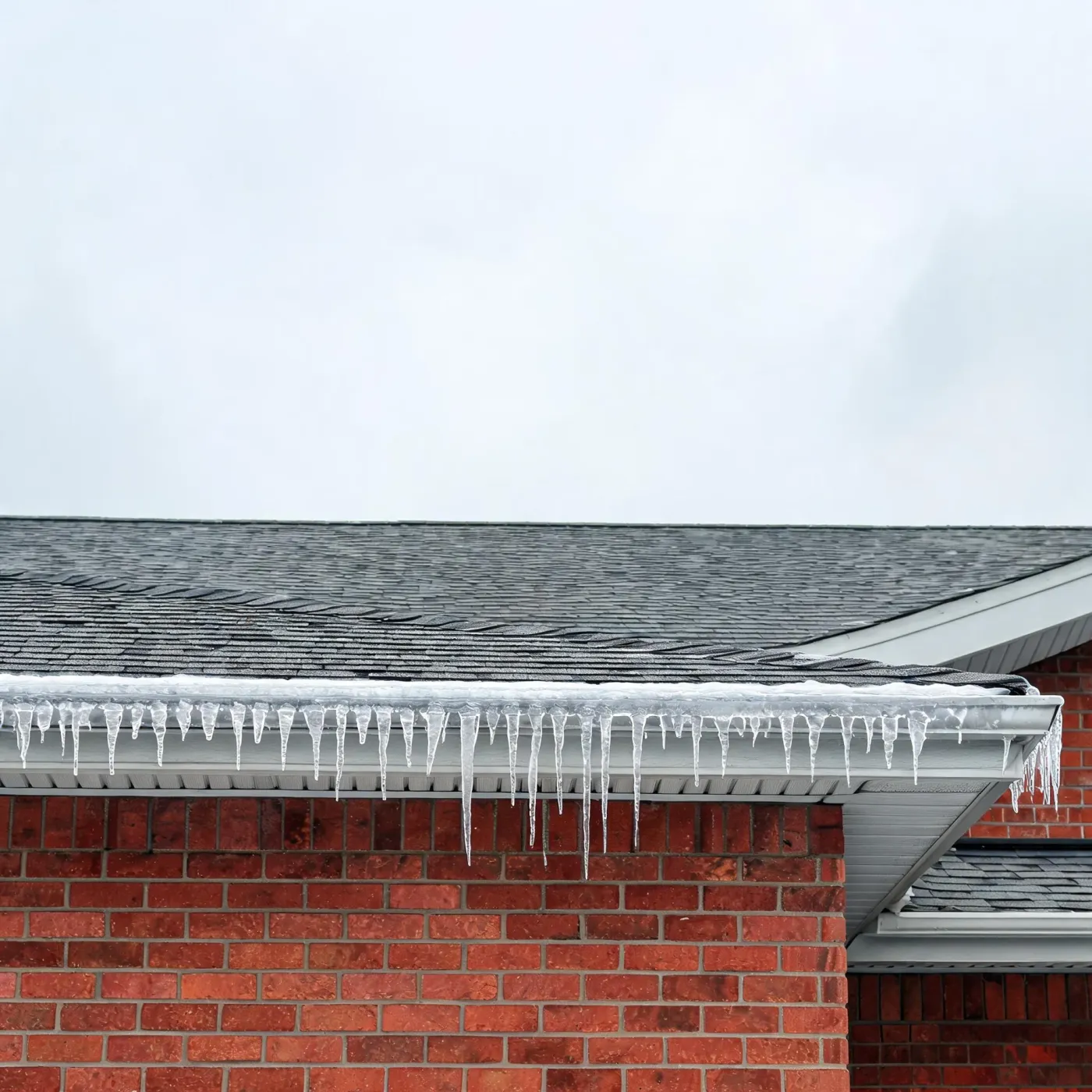
Statewide, winter nights average 13°F, according to NOAA climate data. That's the cold your boiler is holding back every night for months, not just on the worst week. A system that's low on pressure or carrying a waterlogged expansion tank has to run longer to keep up, and you'll feel it as a chill that sets in around the edges of a room even with the heat on. Short cycling gets worse too, since the boiler fires more often trying to recover heat it's losing. None of that announces itself. It just shows up as a higher gas bill and rooms that never quite feel right until someone checks the system before the cold settles in for good.
NOAA nClimDiv 1991-2020 county normals weighted by homes
That 13 degrees is what your boiler is up against most nights from December through February, not just on the one cold snap you remember. A tune-up catches the parts that make it work harder than it should on a night like that.
NOAA nClimDiv 1991-2020 county normals weighted by homes
A boiler tune-up before winter comes down to a handful of checks: air bled from every zone, pressure where it should be, the expansion tank and relief valve doing their job, the burner and ignition firing clean. Catch a problem in October and it's a part ordered and swapped on a tech's schedule. Miss it and you find out in January, on the coldest night, with the whole house waiting on heat. A local contractor who works on boilers all season knows which of these tends to go first in a Wisconsin winter, and you're dealing with one tech, not a string of companies all asking you to describe the same knocking noise. That's where you stand now: the parts to check, what happens if you skip them, and who's set up to do the work right the first time.
No phone calls to make