
Why your boiler is losing pressure in Wisconsin
A boiler loses pressure because water is leaving the system somewhere, or because it was never bled of air correctly. Most often it is a slow leak, at a valve, a pipe joint, or inside the pump seal, and it can be small enough that you never see a puddle. Sometimes it is the pressure relief valve letting water out because the expansion tank has failed, which lets normal heating cycles push the pressure too high. In Wisconsin, where the heat runs hard for months once the cold sets in, a boiler that loses pressure slowly will keep losing it every week the system fires, and it will eventually drop low enough to trip a safety lockout and leave your house without heat. A boiler that keeps needing to be topped up or repressurized is telling you it has a leak or a failing part somewhere in the system, not that it needs refilling and forgetting.
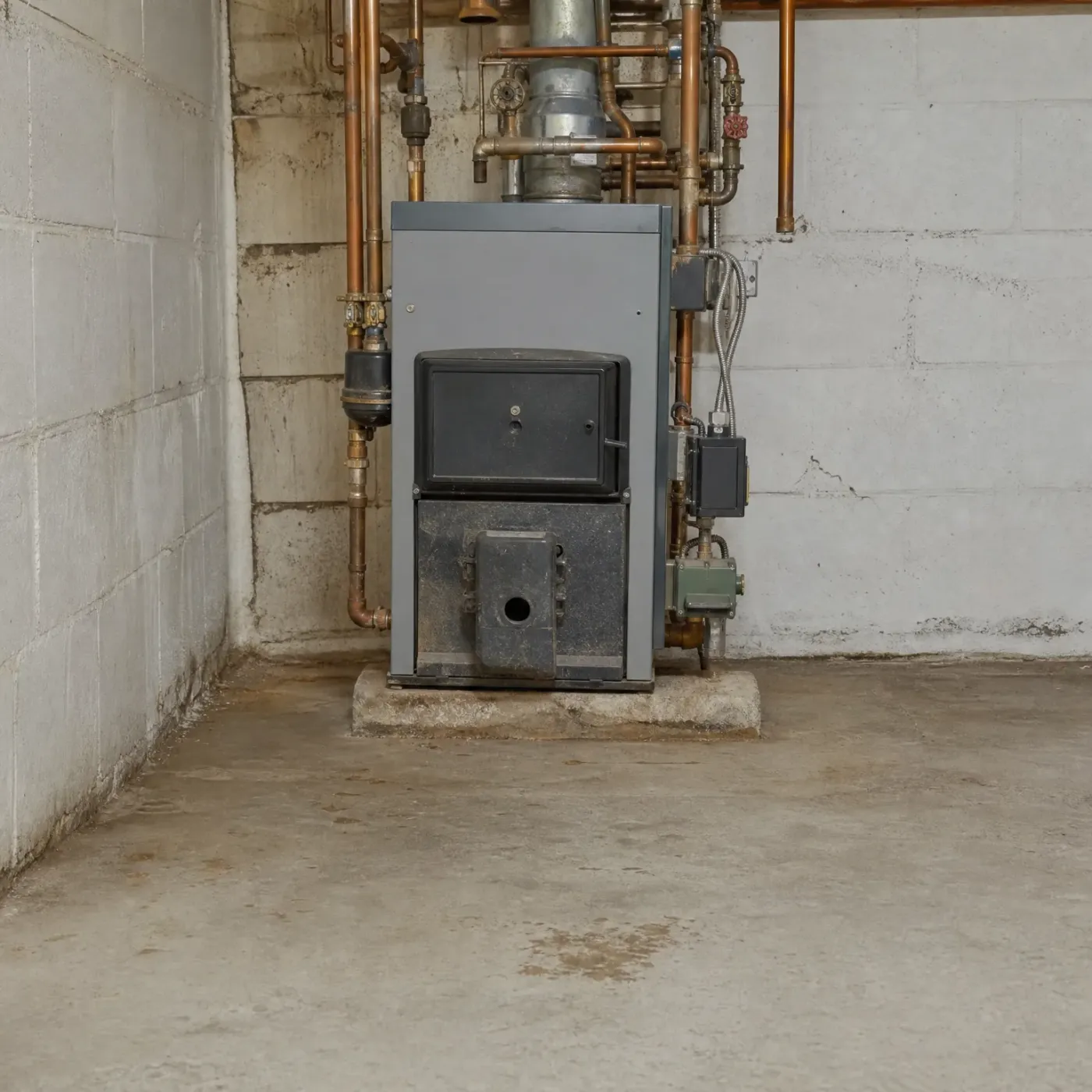
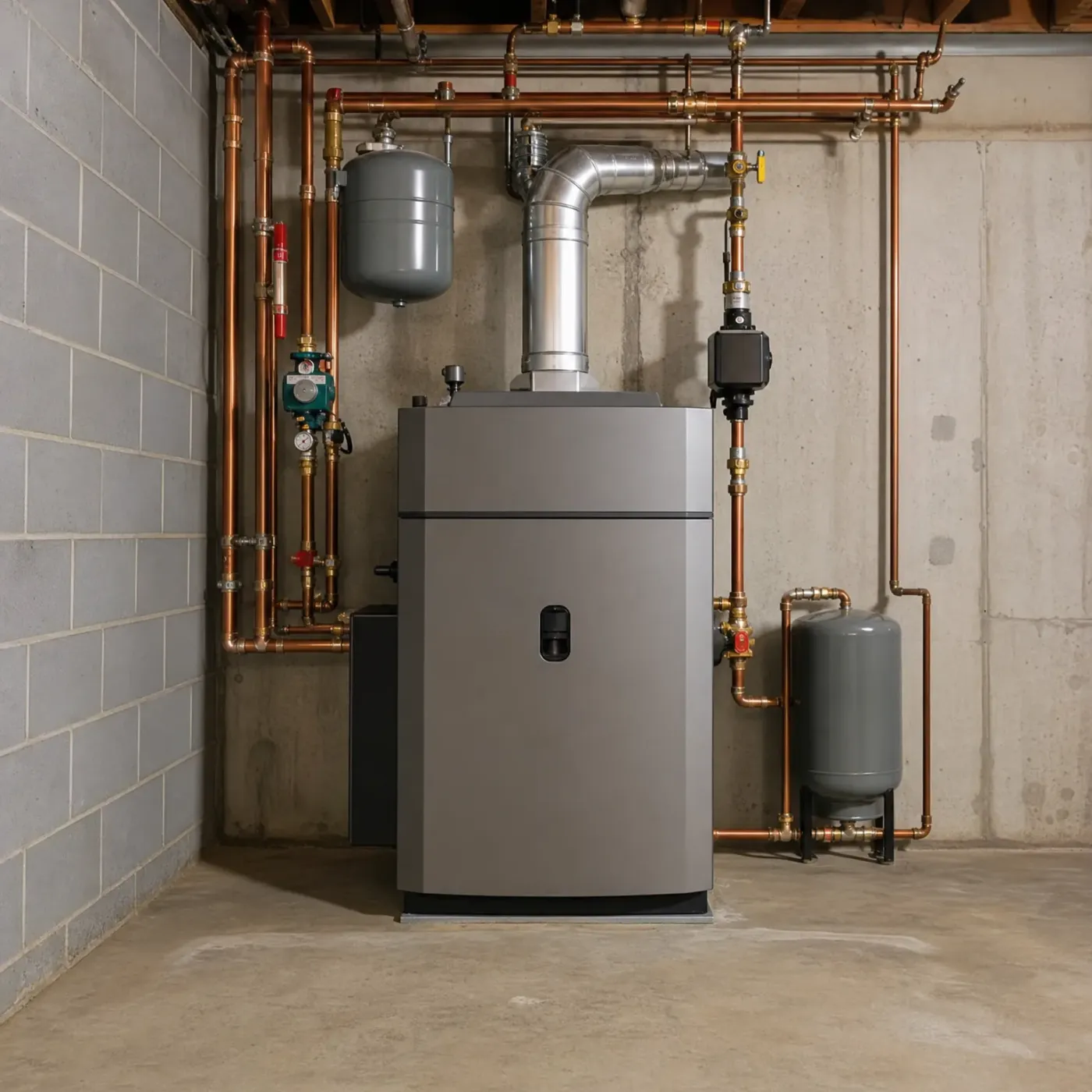
Where the Water Actually Goes
- The pressure gauge should sit between 1 and 1.5 bar cold; below that, the system is low.
- Water escapes most often at the pressure relief valve, a radiator valve, or the pump seal.
- A pinhole leak inside a pipe wall can lose water for months before it shows as a stain.
- Trapped air mimics low pressure on the gauge even when the water level underneath is fine.
- The filling loop adds water back in, but it won't fix whatever let the water out.
- A boiler that needs repressurizing every week has a leak somewhere, not a one-time fluke.
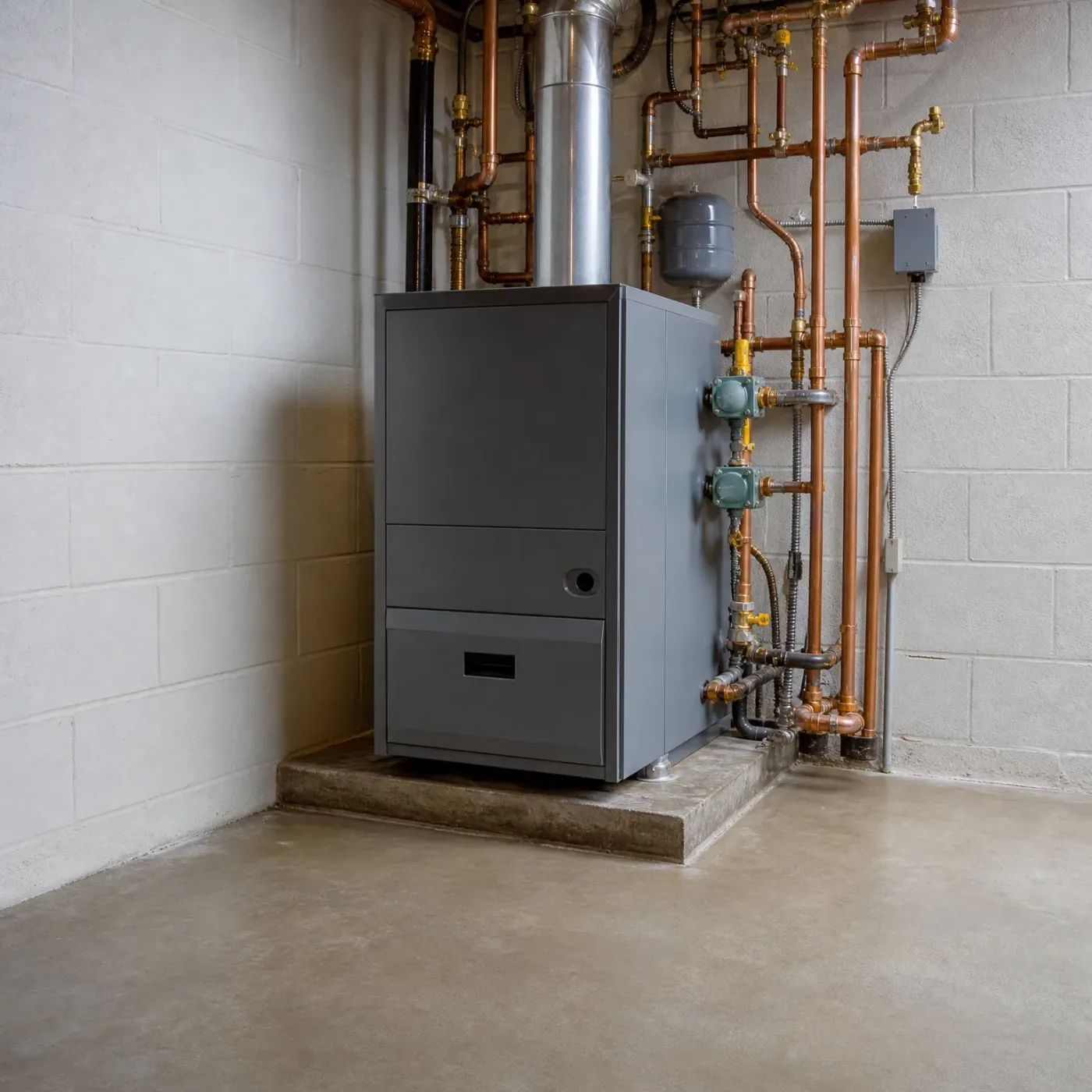
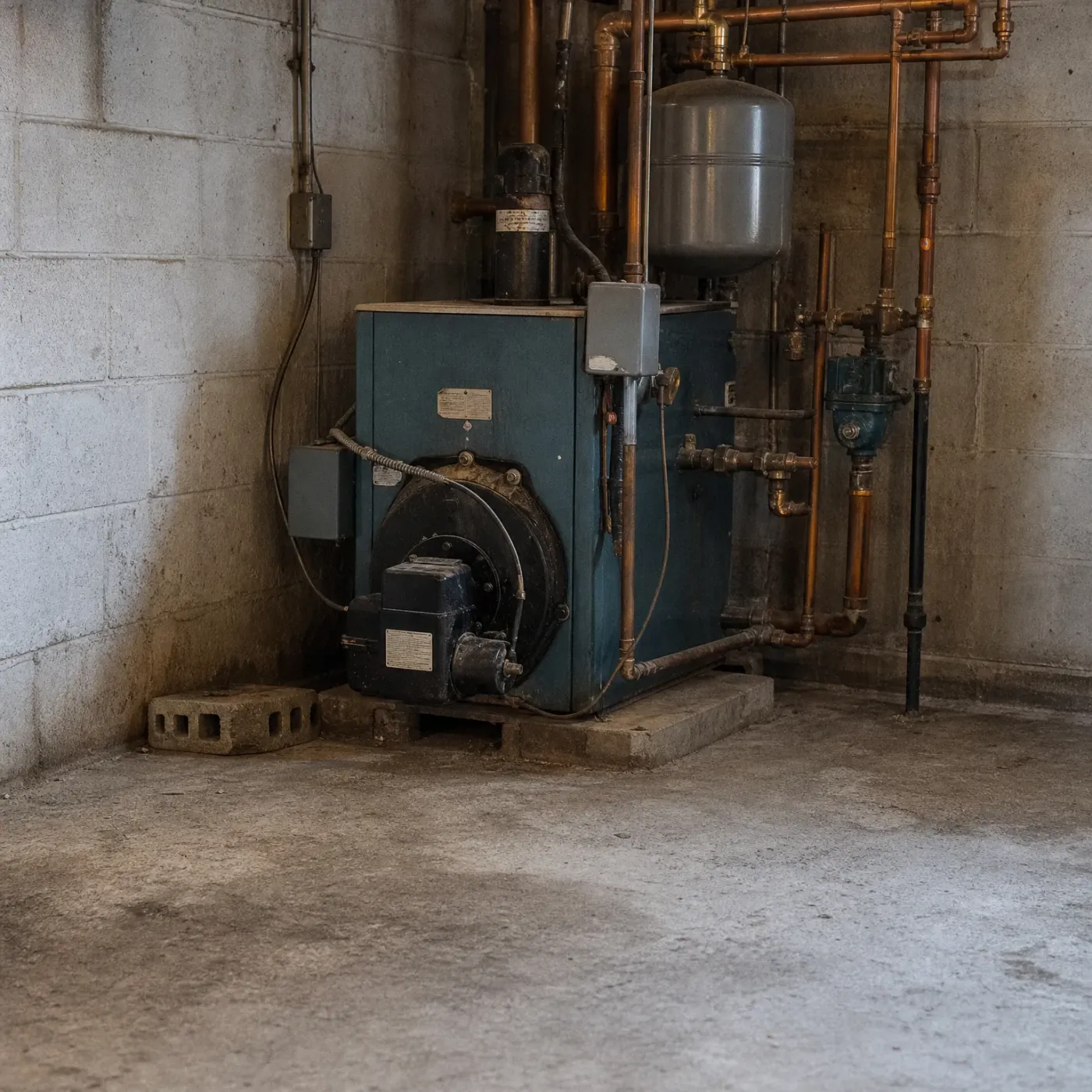
Check the gauge first. It should read between 1 and 1.5 bar when the system is cold, and if the needle sits below that, you're not imagining it, the system really is short on water. The question is where that water went. Most of the time it found a way out at the pressure relief valve, a radiator valve, or the pump seal, and these leaks are often small enough that nothing ever puddles on the floor. A pinhole leak inside a pipe can drip for months, sending its water into the ground or down inside a wall, before a stain ever gives it away. Sometimes the gauge reads low and there's no leak at all. Air trapped in the system reads the same as low water on the gauge, even though the water underneath is fine, which is why bleeding the radiators is worth doing before you assume you have a leak. The filling loop on the boiler lets you bring the pressure back up by hand, and that part is simple. What it does not do is explain why the water left in the first place or stop it from leaving again. If you're out there topping off the loop every week, that's not bad luck repeating itself. That's a leak somewhere in the system that hasn't been found yet, and it will keep draining the pressure until it is.




The right pro for this job
Skip searching for a boiler pro and answer a few questions instead.
Say what's going on with your boiler, and a pro who works on them reaches out.
You're not committing to anything by asking.
Keep Topping Off, or Fix the Leak
Topping off yourself
- Refilling the loop through the filling loop brings the gauge back to 1 bar, but it does nothing about where the water went.
- If you're adding water every few weeks, something is letting it out and that spot doesn't fix itself.
- Low pressure can trip the boiler's lockout, leaving the house without heat until someone resets it.
- Topping off with winter coming means doing it again on a night when Wisconsin cold doesn't wait.
- You still don't know if it's the relief valve, a radiator, or the pump seal losing the water.
Getting it repaired
- A contractor can pressure test the system and find the actual point where water is leaving.
- Fixing the leak means the boiler holds pressure on its own, without you checking the gauge every week.
- A repair addresses a worn valve or seal before it causes a bigger failure in the middle of winter.
- You stop guessing whether this week's drop means a new problem or the same old one.
- Finding and booking a contractor yourself means calls, explaining the gauge reading more than once, and comparing quotes before anyone shows up.
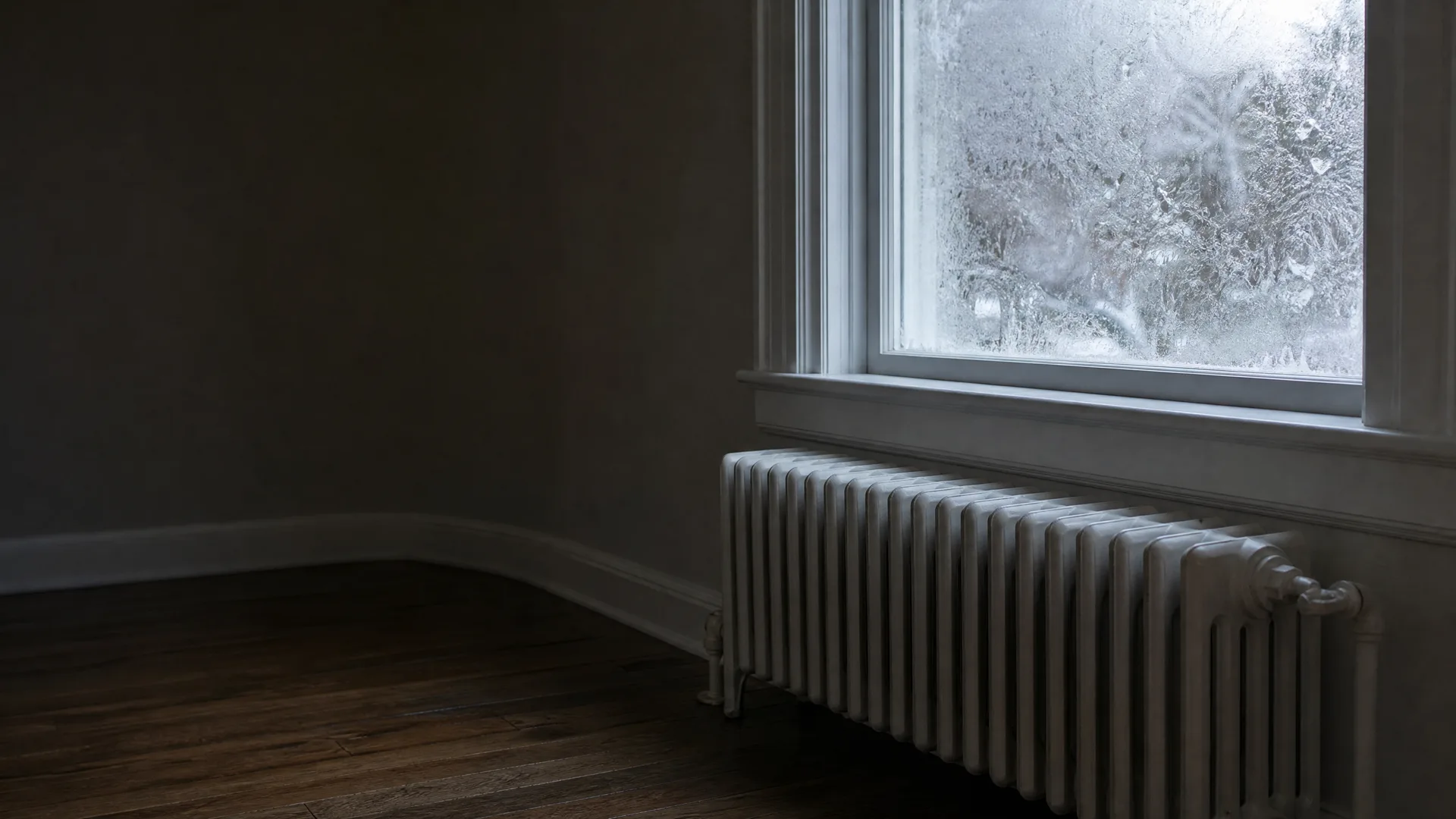
Seven in the morning and the living room is still dark except for the gray coming through the window. The radiator under it sits cold, and the glass above it has ice on the inside, a thin frost pattern you can scrape with a fingernail. You touch the radiator and nothing. You go down to the boiler and the gauge reads under 1 bar. Outside it's maybe ten degrees, the kind of January morning Wisconsin gives you a dozen times a season. The gas bill already ran high last month. Now the house is losing the fight against the cold one room at a time, starting with this one.


Winter nights average 13°F statewide
At 13°F, your boiler is running long hours to keep the house warm, and low pressure makes it work harder to push hot water through the radiators. If the gauge keeps dropping on nights like that, the system is losing water it needs to heat the whole house evenly.
NOAA nClimDiv 1991-2020 county normals weighted by homes

A slow leak lets water escape at a valve, joint, or seal.
The system pressure drops below the 1 bar mark.
A technician pressure tests the loop to find where water is leaving.
The leak gets sealed or the part gets replaced.

A boiler that keeps losing pressure is telling you where to look
The gauge doesn't drop for no reason. Water is getting out somewhere in the loop, or it was never bled right in the first place, and no amount of topping it off changes that. Once you know that, the rest is finding the spot and fixing it, whether that's a relief valve, a radiator connection, or a pump seal that's worn through. In a Wisconsin winter, with the gas furnace next door doing the opposite job and the power bill already high, a boiler that can't hold pressure is working harder than it should for less heat.
You don't have to track down who handles boiler repair in your area, call around, and explain the same problem three or four times to get a quote you can compare. Once you're matched with a contractor who works on systems like yours, they'll reach out to you directly. From there you know where you stand, and so does your house.






Matched to your boiler job
One form replaces the calls you'd make to find a boiler pro.
It costs nothing to send, and you don't have to hire anyone.